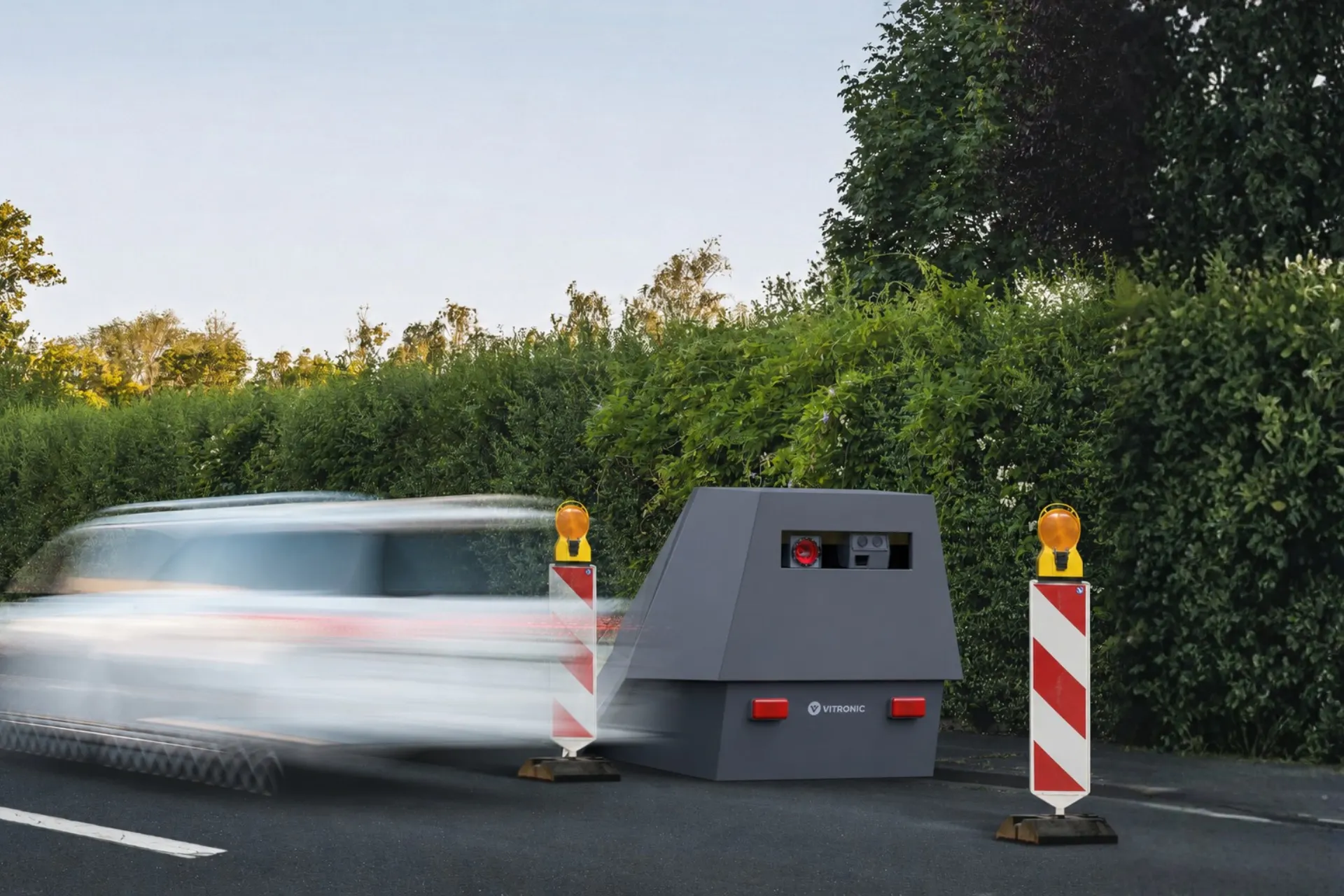
Where mobile enforcement solutions are especially beneficial
Mobile systems excel where fixed installations are too inflexible or uneconomical. This includes construction zones, rural roads, temporary detours, newly emerged danger spots, or stretches with no power supply.
Smaller municipalities benefit as well. They often have to monitor multiple risk points but lack unlimited budgets or staff. A mobile system can cover several locations one after the other, increasing reach.
Sensitive areas deserve special attention. Near schools, daycare centers, care homes, or in inner cities with high levels of pedestrian and bicycle traffic, tolerance for excessive speeds is low. Mobile speed enforcement can be deployed in a targeted manner wherever complaints, accident analyses, or traffic data indicate increased risk.
The benefits for authorities in detail
The value of mobile enforcement solutions goes beyond the technology itself. The key is how they support the daily operations of authorities and police. When systems operate autonomously for extended periods, monitoring presence at critical sites increases, while the effort for repeated on-site deployments drops. This reduces travel and working times, which can also cut resource use and environmental impact. At the same time, existing capacity is freed up so personnel can focus on other tasks.
This means specific advantages for authorities:
- Greater presence at risk areas: Critical areas can be monitored over extended periods.
- Reduced personnel commitment: Autonomous operation lowers ongoing supervision requirements.
- Faster response: Emerging hotspots or construction zones can be addressed promptly.
- Lower environmental impact: Fewer repeated site visits can reduce resource consumption and environment impact during operation.
Mobile systems as part of an intelligent enforcement mix
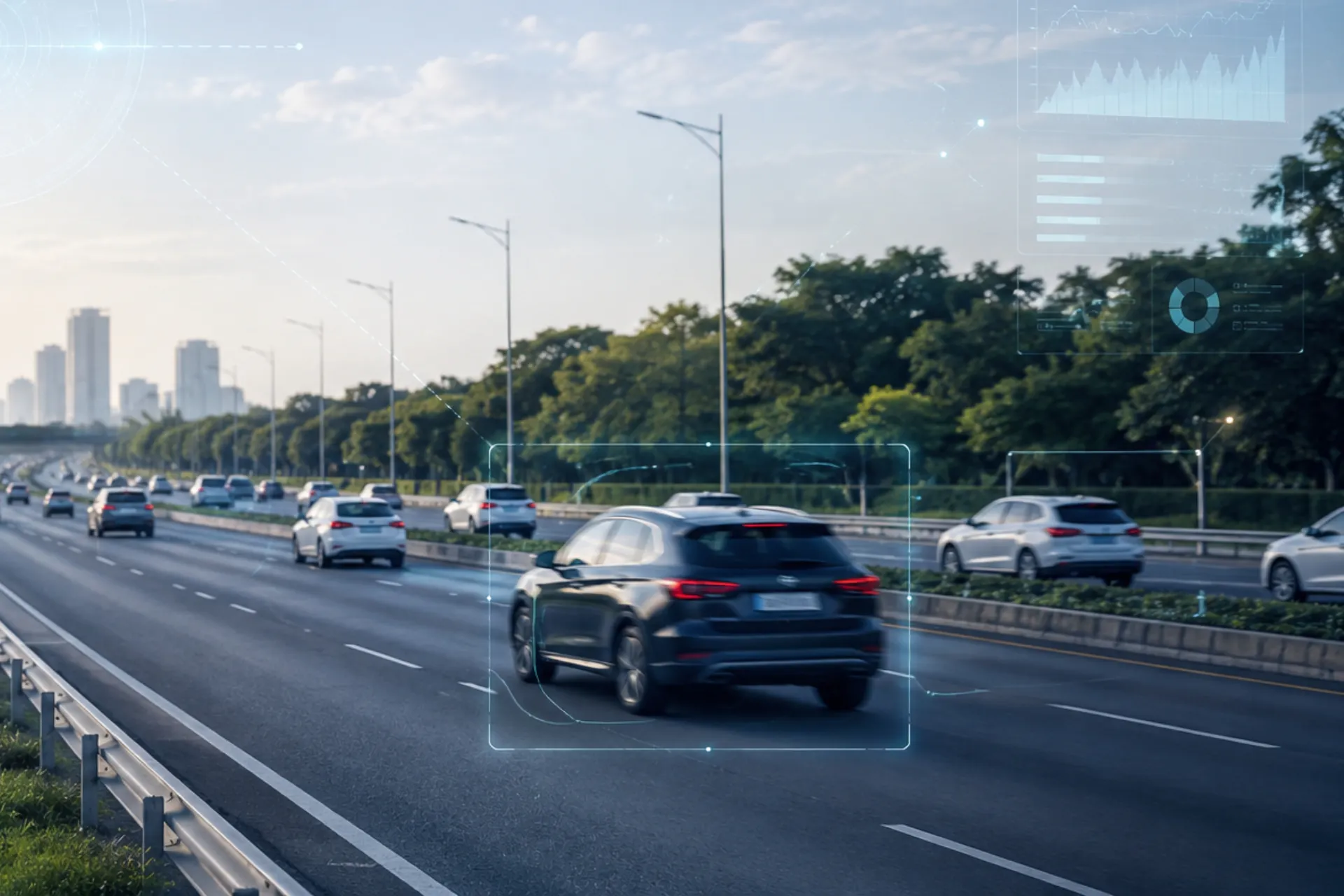
Modern traffic enforcement is not an either-or proposition. Fixed installations, traditional mobile checks, and autonomous mobile systems each serve different purposes: permanent hotspots, direct presence, or flexible long-term operations.
The European Road Safety Observatory also describes enforcement as an interplay of different forms: automated or non-automated, stationary or mobile, visible or less visible. Effectiveness depends on multiple factors, including deployment strategy, communication, and acceptance.
For authorities, the key question is not which solution replaces all others, but which combination best fits local risk conditions.