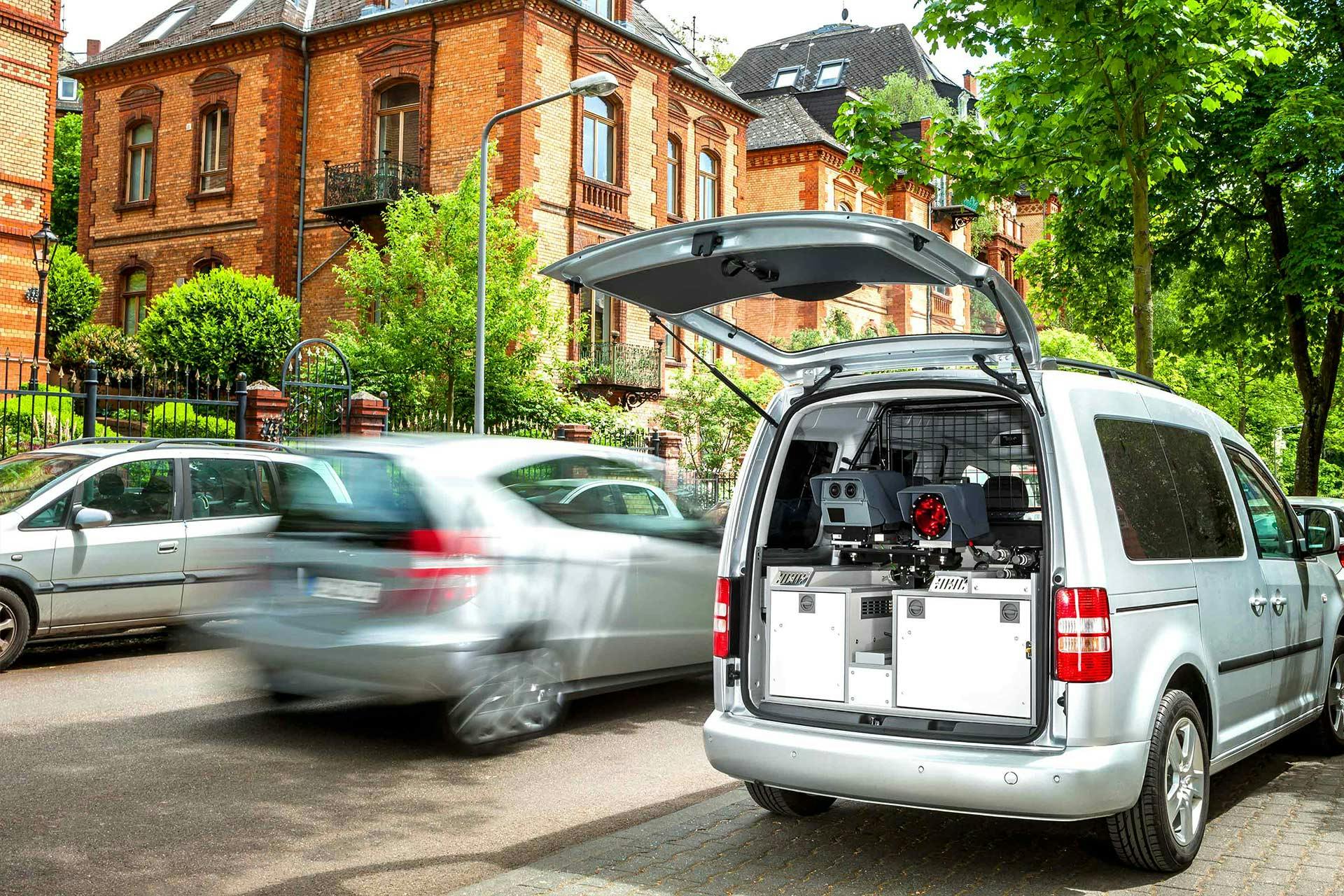
Until today people worldwide lose their lives and loved-ones on the roads. One of the common causes for this is speeding and further human errors. By implementing and enforcing speed limits, lives can be saved, and drivers can be educated to prevent fatal crashes. To counteract this, the use of enforcement technology has advantages that bring each country closer to the goal of Vision Zero. Additionally, higher road safety is a driver for economic growth in multiple ways. It saves costs and and increases the standard of living and satisfaction in each country.
Menü
マシンビジョンピープルの未来ブログ
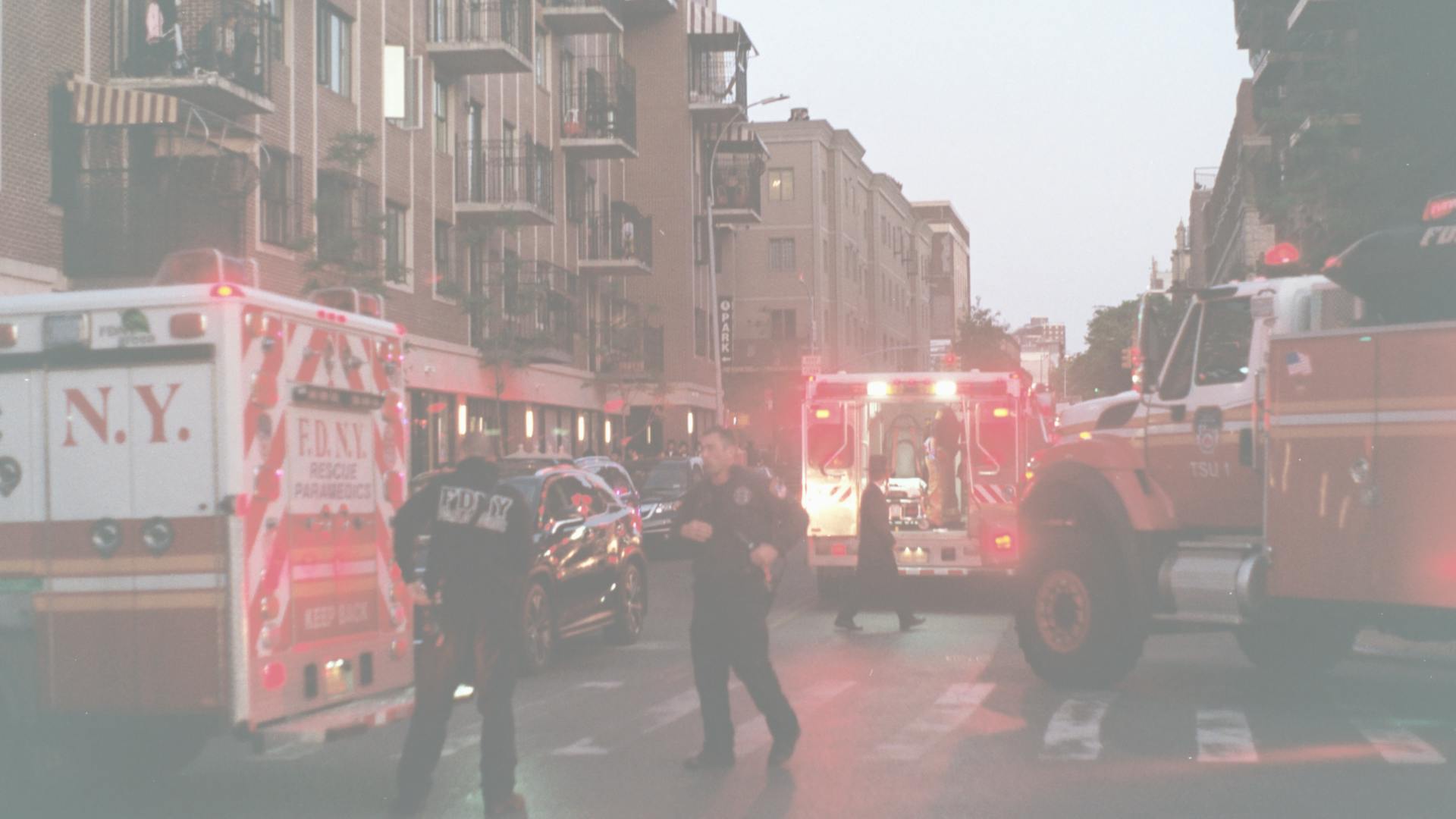
Until today, road accidents are still under the Top 10 causes for deaths worldwide. Even though parts of the world already invested in Vision Zero, there still is a huge potential to decrease the number of fatalities. This is where reliable enforcement technology comes in and creates a positive impact on the economy of the countries.
Worldwide about 1.35 million people die each year on the road. In addition to that, about 20-50 million injuries are registered and caused by traffic accidents. In 2021, this affected the world Gross Domestic Product (GDP) by about 2.895 trillion USD loss, in other words: we lose the whole GDP of France yearly.
But not only the numbers are shocking. Every time an accident takes place it affects many peoples’ life. Especially in middle- and low-income countries road fatalities lead to suffering inhabitants. Young citizens between 5 and 29 years are mainly killed on the street. A state of affairs that cannot be tolerated.
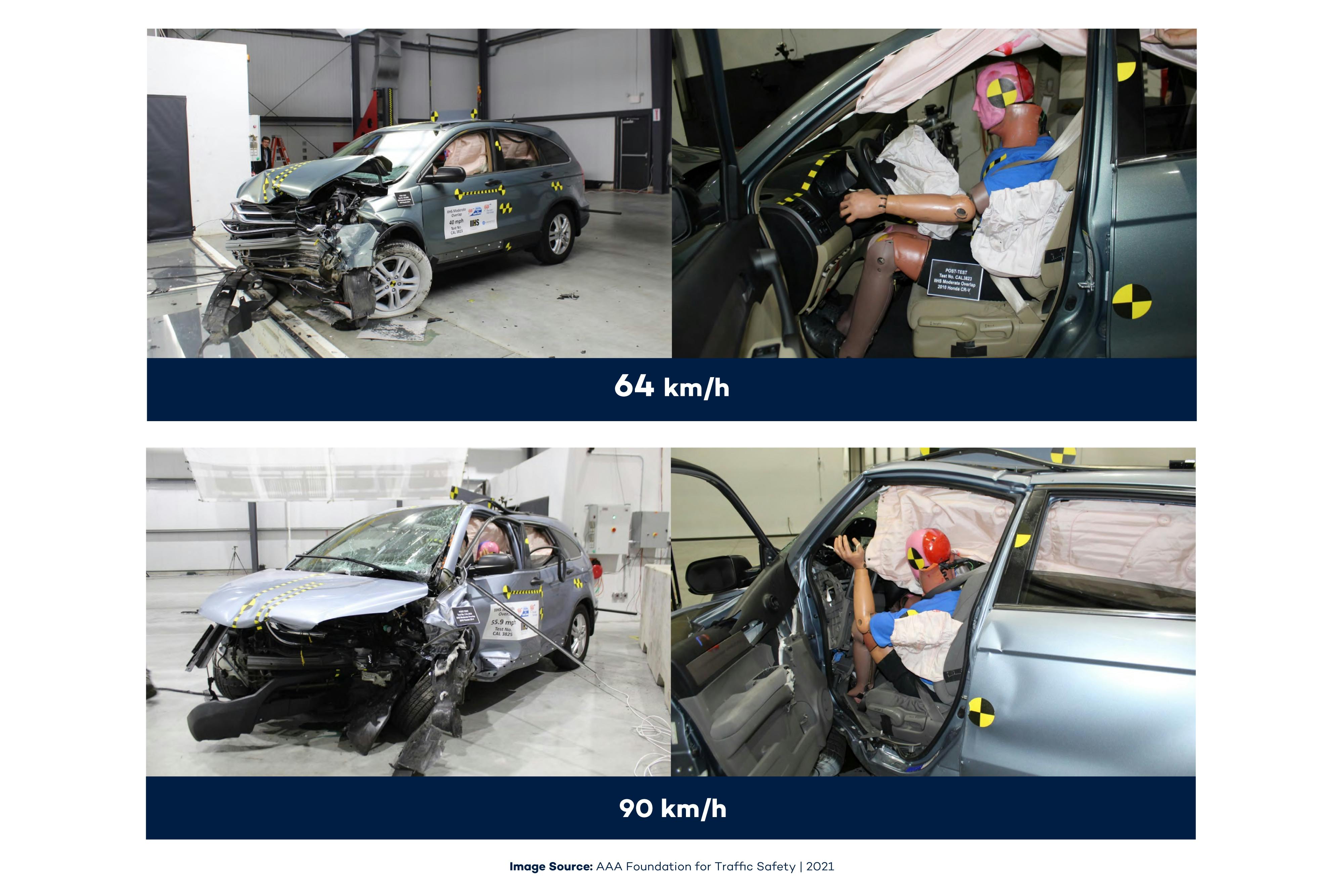
One of the common causes that lead to accidents is speeding. Looking at the roads, fatalities can be reduced or thus prevented if speed is reduced. A comparison between an accident taking place at 65km/h compared to 90 km/h underlines this aspect: The total braking distance including the reaction time changes from 61 meters to 108 meters. Vehicle occupants are skidded harder, clammed, and the car is damaged more severely. 20 km/h alone can make the difference between a deathly crash and surviving.
By implementing and enforcing speed limits, lives can be saved, and drivers can be educated to prevent fatal crashes. To counteract this, the use of enforcement technology has advantages that bring each country closer to the goal of Vision Zero.
“Vision Zero is a strategy to eliminate all traffic fatalities and severe injuries, while increasing safe, healthy, equitable mobility for all.” – Vision Zero Network
High-quality technology brings a higher life-standard
In general, the advantages of introducing traffic enforcement technology may not appear like a benefit to the people. Fine collection disappoints everyone in the first place, but the purpose behind it drives the country and thus the population forward.
Why?
Traffic technology saves lives on a daily basis. The introduction of enforcement systems in several countries showed a reduction of accidents and less deaths on roads. This means that with the increasing number of controlling violations, people suffer less from injuries and deaths of relatives. And even for those not affected by an accident directly, it has an indirect effect: Less time is wasted in traffic jams after an accident.
While often referred to as “accidents,” the reality is that we can prevent these tragedies by taking a proactive, preventative approach that prioritizes traffic safety as a public health issue.
Additionally, enforcing misbehaviour brings an educational effect for all. No one wants to get into the unpleasant situation of paying fines and wasting their own money just to get to their destination a minute earlier than usual. At the same time, attentiveness to enforcement technologies increases the driver’s awareness of the surroundings, even if it is only to avoid penalties.
Furthermore, by increasing safety on the roads, the inhabitants of each country also gain personally. Not only the time loss in traffic jams is reduced, but also costs for repairing vehicles, medical costs and more.
Traffic Management Technology strengthens Economic Growth
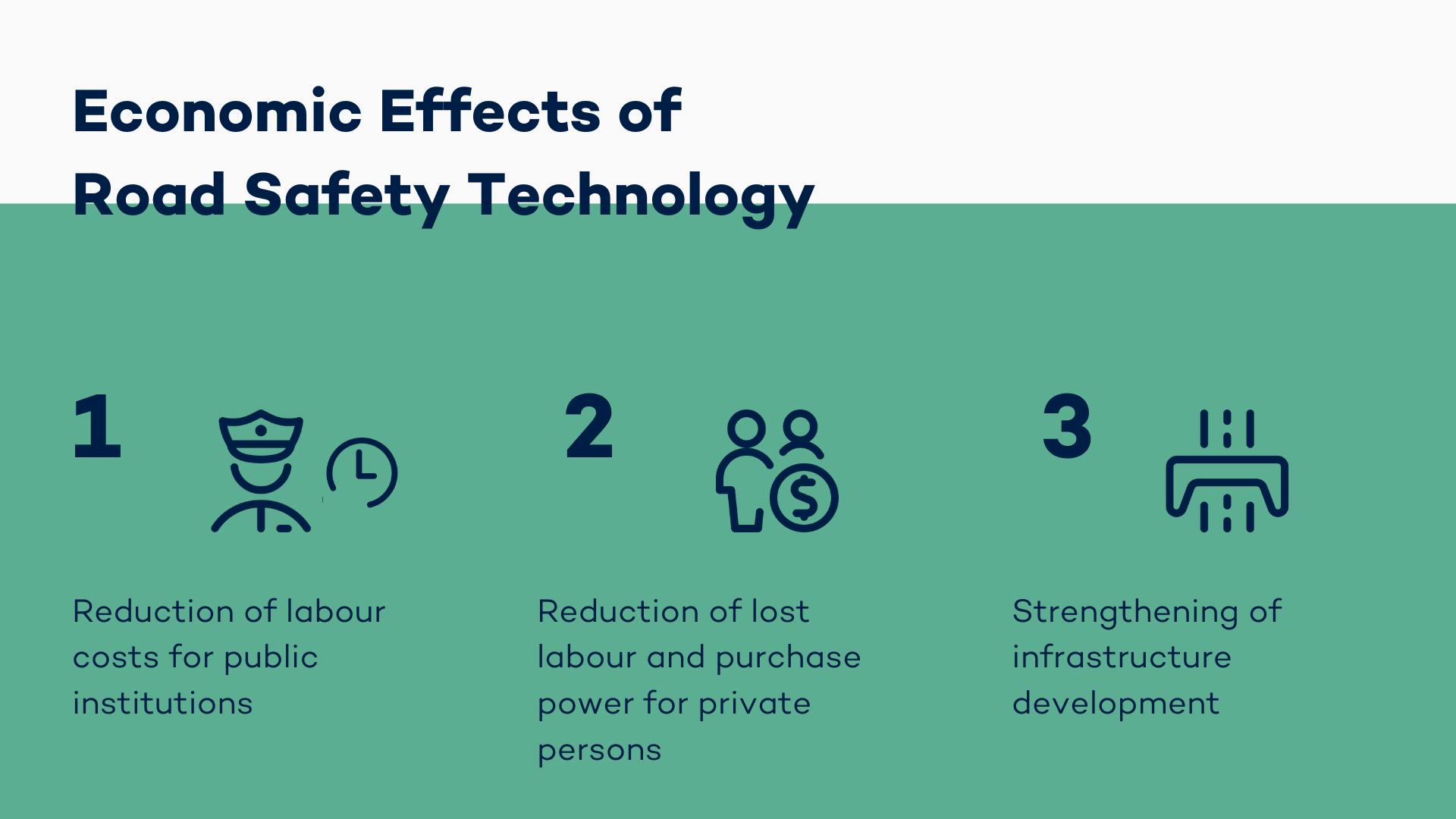
The benefits of traffic technology systems go beyond the personal daily life of the people. It has positive effects on the country, which is advantageous for the inhabitants and their standard of living as well. Multiple factors lead to a loss of each country's GDP when a road accident takes place. Consequently, the reduction of accidents saves money in medical emergency care, as well as the deployments of police and other professionals.
- Police officers and rescue workers spend their time on accidents. This varies depending on the intensity of the accident. Fewer and less fatal accidents, due to lower speed, reduces the effort. For example, because less time is spent recording accidents and fewer investigations take place. This saves money for public institutions.
- Every time a road accident takes place, productivity is lowered. Each injured person results in a lower labor output. The care and treatment after an accident are further costs that have to be paid by the parties involved. Thus, in addition to the loss of labor, the purchasing power of each individual injured is also reduced. All in all, accidents cost the government and involved parties in multiple ways.
- As other countries have already shown, the introduction of traffic systems, that prove themselves with their precision, has brought exactly these benefits. Additionally, increased road safety and infrastructure development is a driver for growth. The development of infrastructure and the increase of safety is a possibility to further strengthen tourism. Thus, an expansion of the tourism sector increases the economy and creates jobs in the country.
Accurate and autonomous enforcement systems
To achieve higher quality of life and economic development, technology is key. With the right technology, public authorities are enabled to educate drivers and ensure a reduction in road accidents. A reliable and accurate technology is needed. In some regions it is still common that police officers need to be on site with a system to enforce misbehavior. Manual speed monitoring, however, requires a lot of manpower, which leads to high costs and makes 24/7 monitoring impossible.
But without monitoring, nothing will change in the behavior of drivers. Speed limits are important, but without enforcement, they are often useless. What is important here is that the enforcement is accepted by the drivers. The technology used for monitoring must be reliable and fair.
Light Detection and Ranging (LiDAR) is an alternative to Radar cameras to capture a precise traffic situation. The systems send out laser beams with a distance of 75 meters and follow detected vehicles of every type. In the range between 50 and 20 meters, the average speed of each vehicle is determined with the help of the laser beams ("laser time-of-flight measurement"). With the laser beams it can classify the size of vehicles and combine this with the average speed. If there is an offense, only the vehicle that is speeding is photographed. It doesn't matter whether there is heavy traffic, vehicles driving close behind or next to each other, or vehicles changing lanes. Each vehicle is tracked and the violation is clearly documented. This creates tamper-proof digital case data that guarantees absolute legal certainty.
All in all, the scanning LiDAR technology contributes with its pure existence to a safer road and less fatalities. It runs independently from time, persons and conditions and can be implemented in road design easily.
Summary
In Brief:
- Traffic accidents cause about 1.35 million deaths each year
- Every accidents costs money for private persons and the public, what leads to a huge loss of money
- Higher Road Safety is a driver for economic growth
- Speed limits and reliable enforcement technology in combination lead to a reduction of accidents