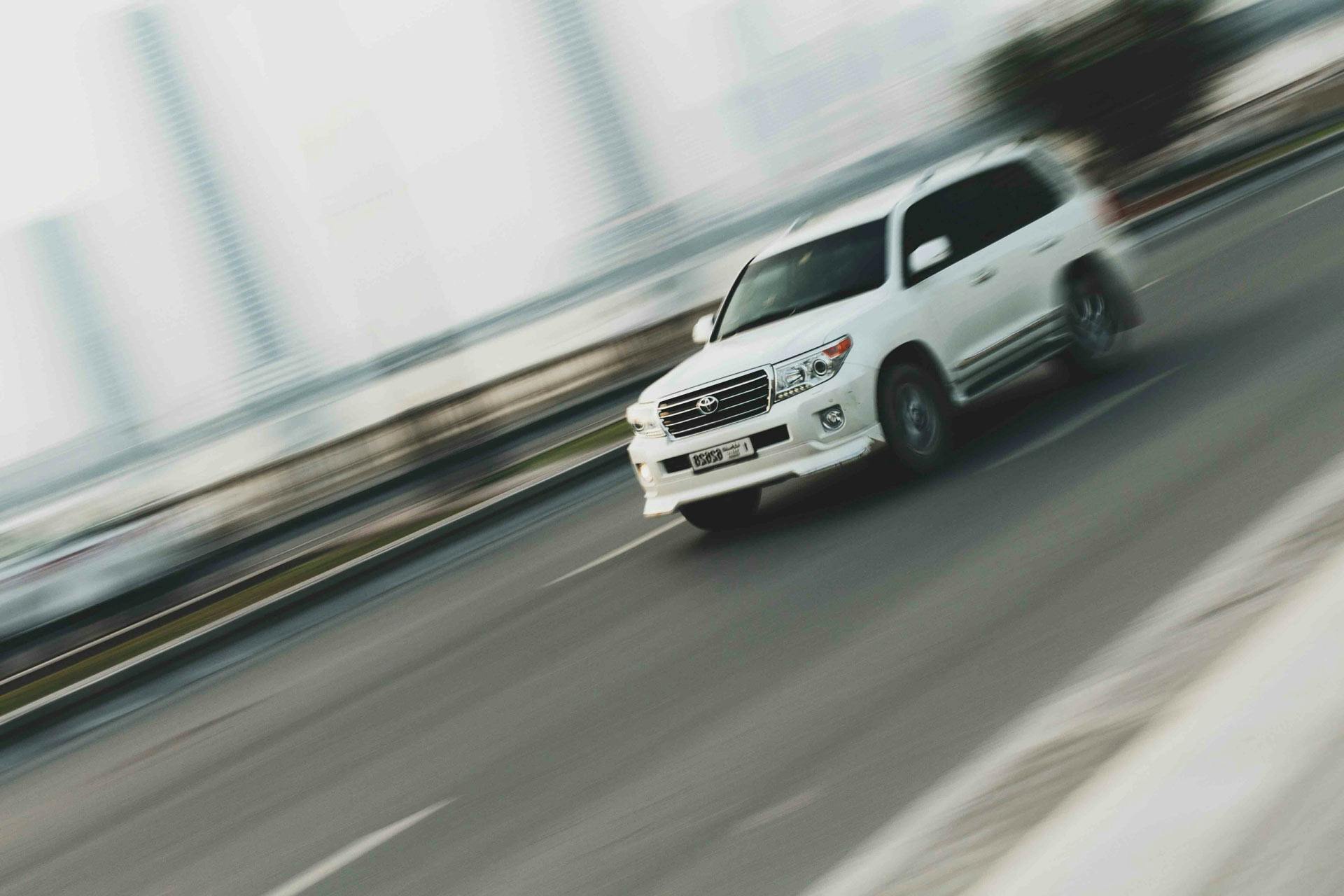
The high speeds on motorways hamper development and prevent the spread of autonomous mobility in Germany. Autonomous vehicles cannot cope with pronounced speed differences in the lanes alongside the added uncertainty factor that comes with driving alongside humans. For a long time to come, human-operated and autonomous vehicles will travel together on the roads. A general speed limit in combination with speed monitoring is therefore the only way to overcome the innovation dilemma in this area of development.
Menü
머신 비전 사람들의 미래 블로그
Smart MobilityThe Fuel of Autonomous Driving
Why large scale autonomous driving won’t be possible without a general speed limit
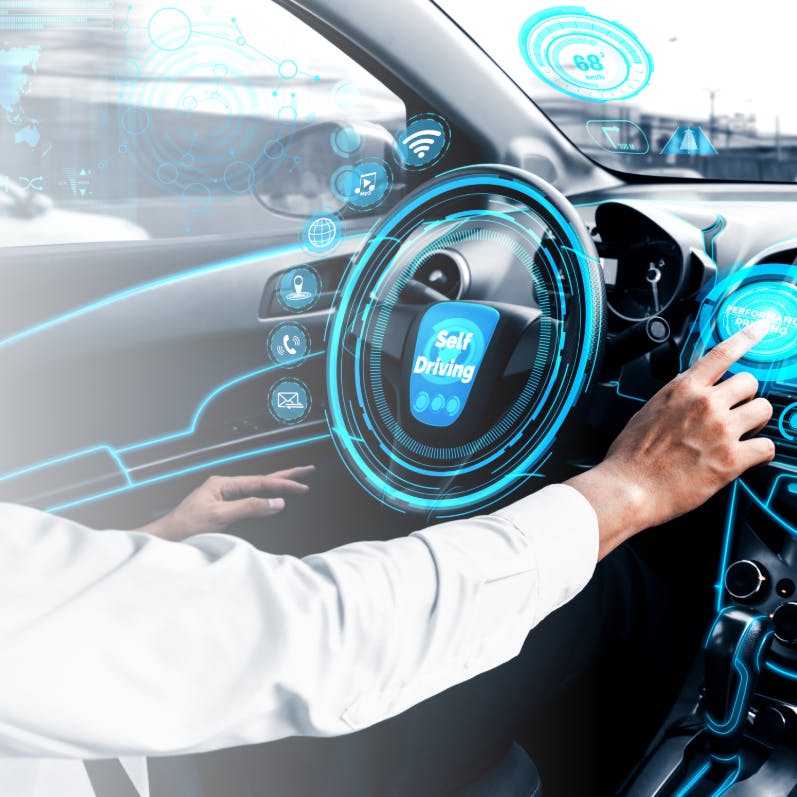
Two themes often come up in discussions addressing progressive mobility: Autonomous driving and a general speed limit on motorways.
And while we touched on the pros and the cons for imposing speed limit restrictions in our latest blog post already, the debate takes on a new dimension when we consider self-driving cars. Questions like “Is it even possible to have autonomous driving without speed limits?” come up.
And while advocates for a general speed limit on motorways are often accused of having it in for one of Germany’s most important industries – the car industry - a counterargument to this is that doing without a speed limit is a far more harmful move than allowing cars to zip full throttle down Germany’s motorways.
Hypothesis: The move to dispense with a speed limit deters innovation and would damage Germany’s economy.
R&D is impeded
We can already see that even the development of modern vehicle technology in the context of autonomous and automatic mobility has been hampered by the high speed that is permitted on motorways. Manufacturers can’t test these cars as long as they have to assume that other vehicles, some of which are capable of speeds in excess of 250 kilometers per hour, are zipping down fast lanes.
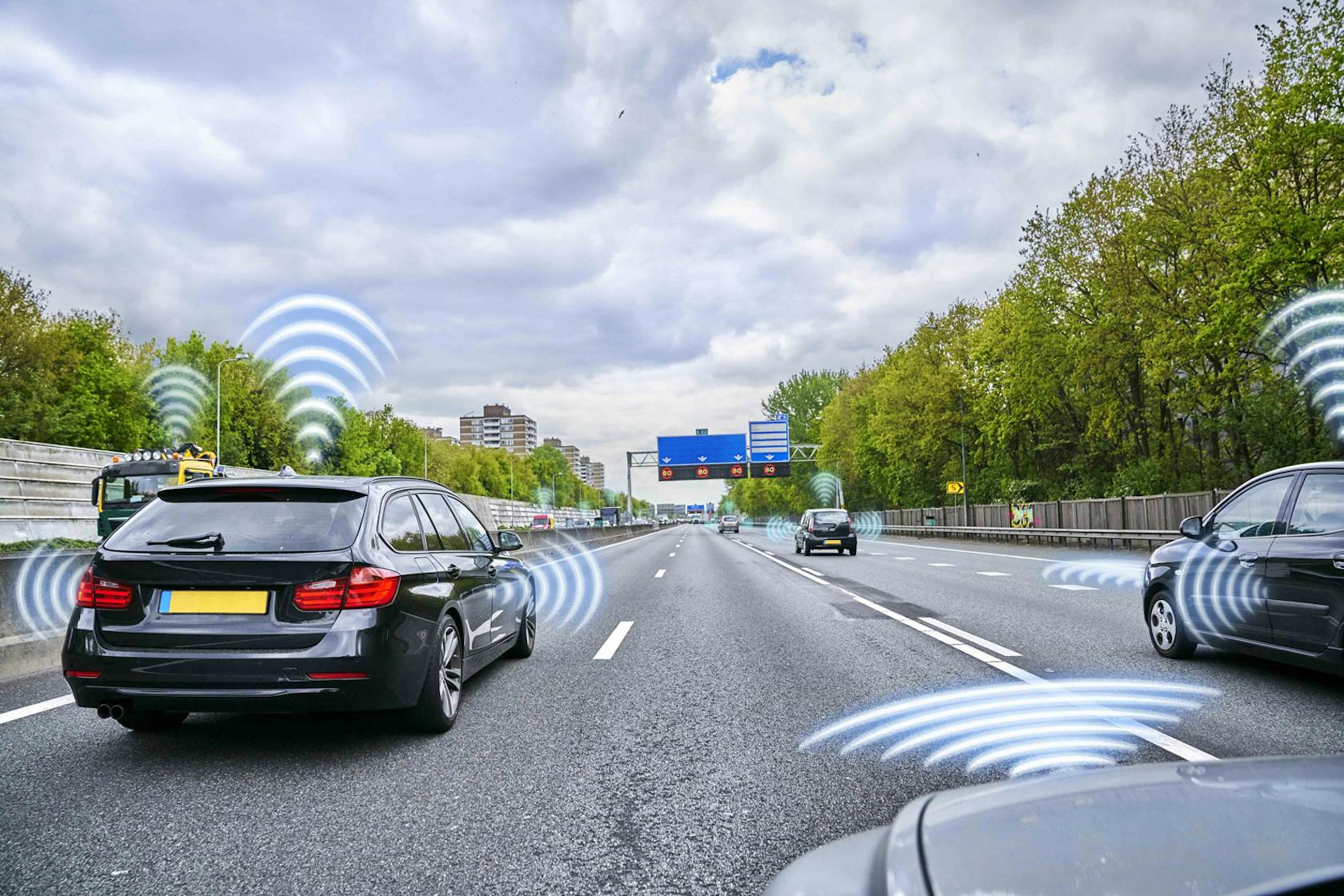
Large speed differences in particular are a challenge for autonomous vehicles; the faster cars are going, the more likely it is that a situation will occur in which a self-driving car cannot cope. For example, they must be able to recognize whether it is safe to change lanes.
The 200 meter problem
Fact: If an autonomous vehicle wants to safely switch lanes, the perspective of its sensors must be able to stretch to at least 200 meters behind it.
The faster the approach of other vehicles, the further back the measuring range of the vehicle’s sensors must extend. These sensors currently only have a range of around 200 meters, which already creates issues for driver assistance systems as they currently operate.
A sample calculation: At a speed of 220km/h, the reaction distance is about 66 meters. This is the distance covered by a vehicle within a normal reaction time of about one second. Added to this is the braking distance that the vehicle would need in order for it not to collide with an outward-stepping vehicle, which is around 250 meters. Given these calculations, it is clear that 200 meters does not suffice when it comes to giving a self-driving car leeway to react and brake. A fully autonomous vehicle will only be approved once it can safely master such maneuvers.
Man and machine will share streets
Claim: A speed limit is needed before self-driving vehicles can take to the streets - also to deal with the fact that - at least for some time - human drivers and machines will share roads together.
In the future, an explosive combination of humans and machines will populate the streets. And this mixed traffic situation poses unprecedented challenges to both humans and machines alike.
While successful infrastructure of autonomous driving relies on predictable patterns, learning systems, and control, human behavior is rather unpredictable. To process data and compensate for unpredictability, human and machine drivers would need to slow down tremendously. The slower the traffic the safer the mixed traffic. Additionally, the flow of traffic - based on the maximum speed limit - will become slower. At the same time, however, traffic will also become more even. Less time-consuming traffic jams will occur. Drivers save time otherwise spent waiting for congestion to ease. Another argument for reducing the speed on the motorway is that self-driving cars tend to drive defensively as their sensors cannot ascertain whether a very fast vehicle is approaching. It would err on the side of caution, braking rather than overtaking, something human drivers would have to pay close attention to.
High speed goes against the concept
Hypothesis: Those who do not look at the road will not want to go full throttle in automatic mode.
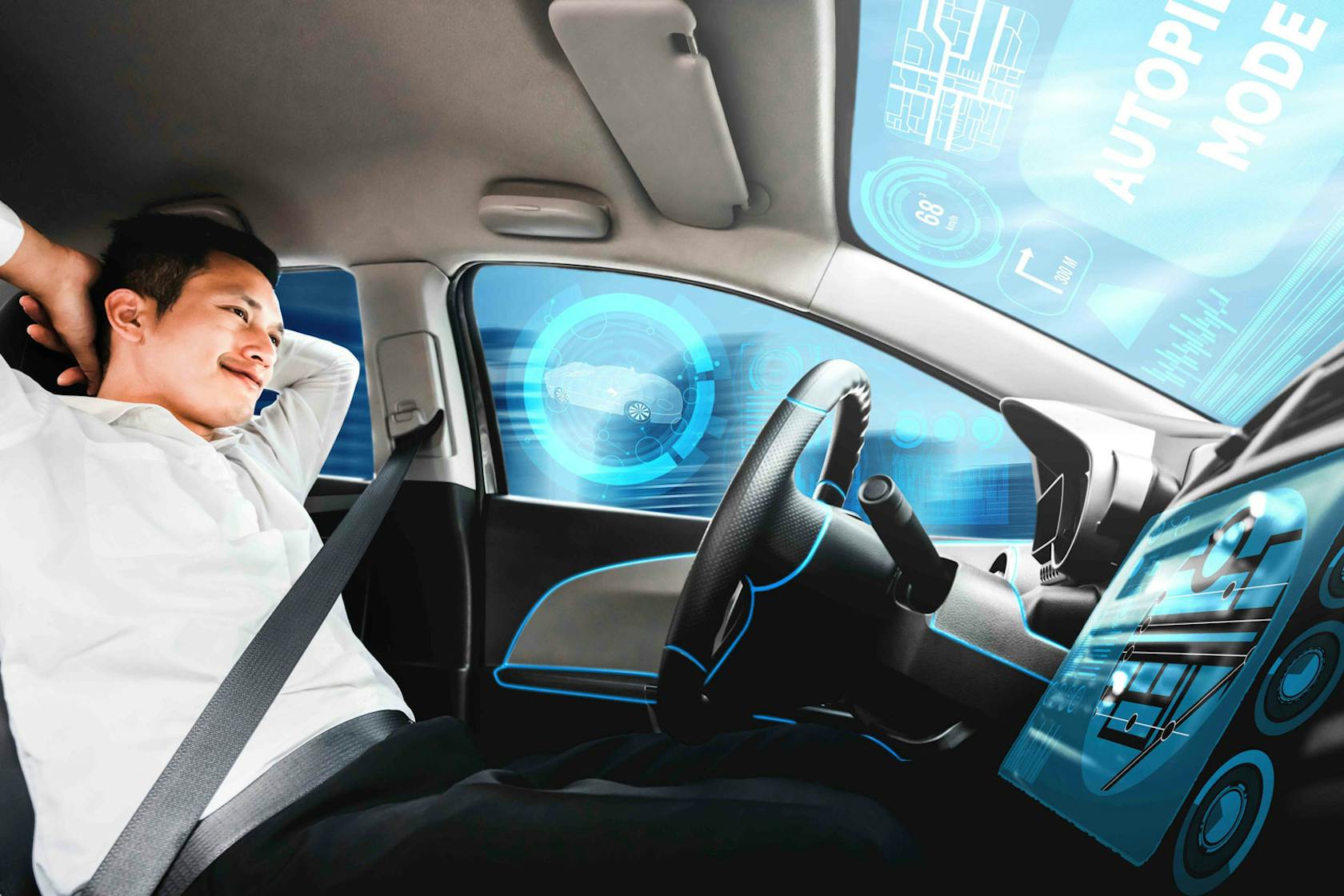
Another question that needs to be addressed is whether an autonomous vehicle should be able to drive faster than the recommended speed on German motorways at all. This is a rather psychological consideration that raises the question of whether moving at the speed of 200 km/h or more is desirable for the passenger in terms of comfort and relaxation.
Every unpredictable vehicle movement unsettles a passenger, which is why sudden acceleration or erratic steering and rapid lane changes must be ruled out.
In for a penny, in for a pound
Hypothesis: Governments will promote speed limits for the sake of autonomous driving.
The government has chosen autonomous driving as one of its mobility goals. It therefore stands to reason that they would also push to permanently limit the speed on German motorways. To ensure that speed limits are observed, speed monitoring is still the method of choice. Innovative solutions increase road safety and are already recognized by a majority of the population as necessary. Speed limits, in addition to helping reduce fatalities and serious injuries, also benefit the environment due to lower average speeds, as CO2 emissions are reduced.
As an innovative and future-oriented company, VITRONIC is already thinking about which contributions could be made on our side towards making autonomous driving a reality. We are ready for the future and for change. We believe autonomous driving will bring about meaningful change, making traffic safer overall. Last year, 3,046 people were killed in road traffic accidents across Germany. Our aim is to introduce a Vision Zero – our multi-national pledge to achieve a motorway system in which no fatalities or serious injuries occur.
As such, introducing a general speed limit not only enables developments in mobility, it will also improve road safety.
Summary
In Brief
- Speed limits are necessary to promote autonomous driving
- Large differences in speed pose a challenge
- High speed travel goes against the concept of taking a relaxed, chauffeured trip
- Innovative technology must be used to monitor compliance with motorway speed limits