Scanning and sorting automation must consistently extract accurate data from diverse and imperfect labels. High‑resolution imaging, adaptive exposure control, and powerful pre-processing prepare the image. OCR, barcode decoding, robust algorithms, and AI handle the complexity of real‑world items being processed. Smart analytics close the loop, enabling ongoing optimization. Together, these components create stable, efficient sorting operations and ensure items remain in motion.
Menü
The future blog of the Machine Vision People

Smart LogisticsReducing Manual Interventions in Sorting Operations
Robust and Accurate Scanning Boost First‑Time Reads
Automated sorting systems must extract accurate label information for every object that passes through. High Read Rates lead to faster processing times with less manual intervention. We spoke with VITRONIC expert Robert Hussey who explains what a system needs to consistently achieve top read rates in real-world sorting operations.
In automated sorting, what makes First‑Time Read performance so challenging?
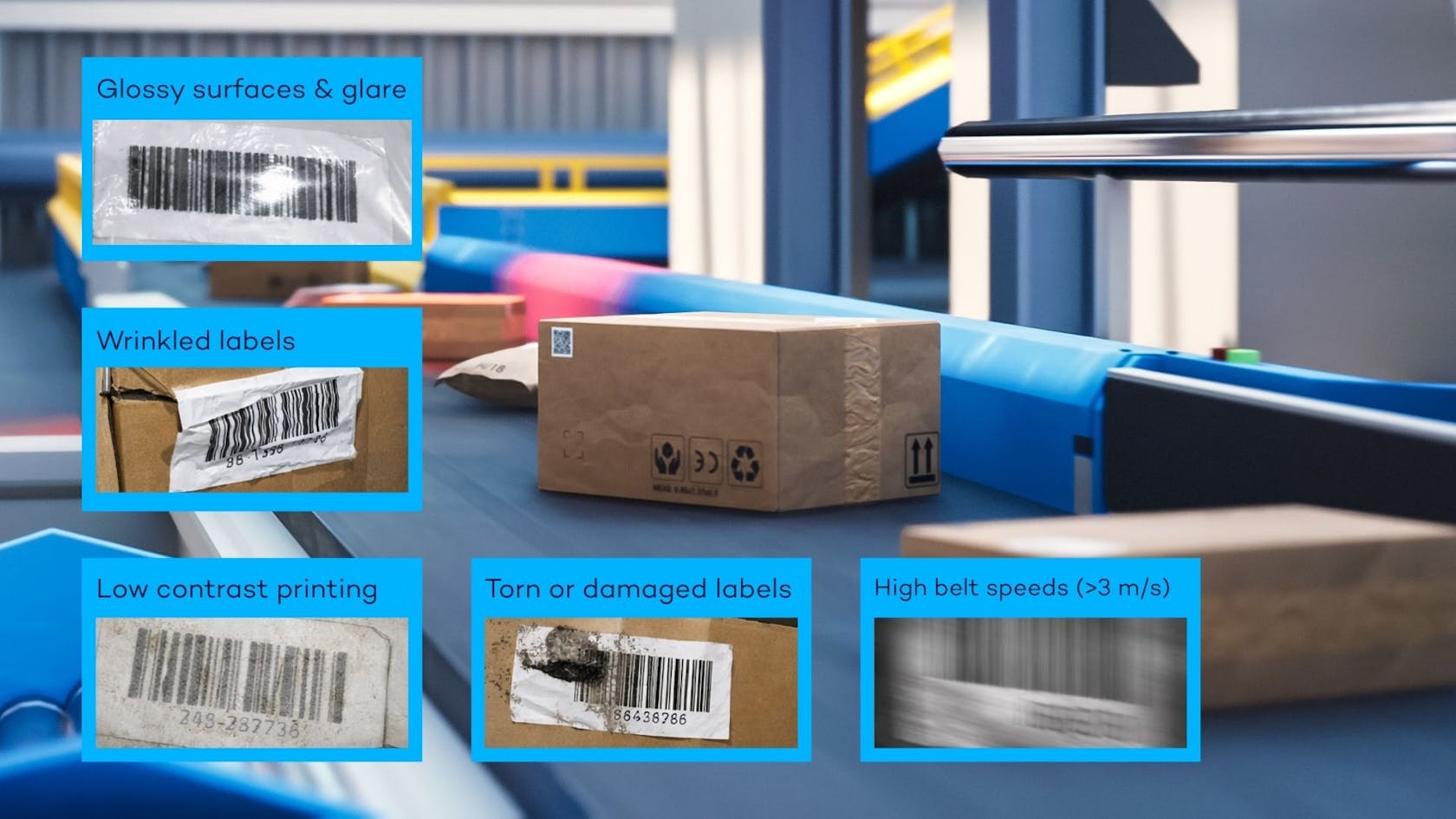
Robert Hussey: Identification of bar-coded objects in distribution centers are challenged by varying label size, placement, contrast, and condition. Barcode print quality is impacted when printers are in need of maintenance. Some labels fold around the edges of boxes, and others are wrinkled, glossy, or partially damaged. Conveyors moving at high speeds make it difficult to capture quality images of barcodes.
A high‑performance system must overcome these variables without slowing down the process. The goal is simple: read the label once, extract the correct data, and send the object forward without interruption.
How does camera technology influence the system’s ability to capture diverse labels?
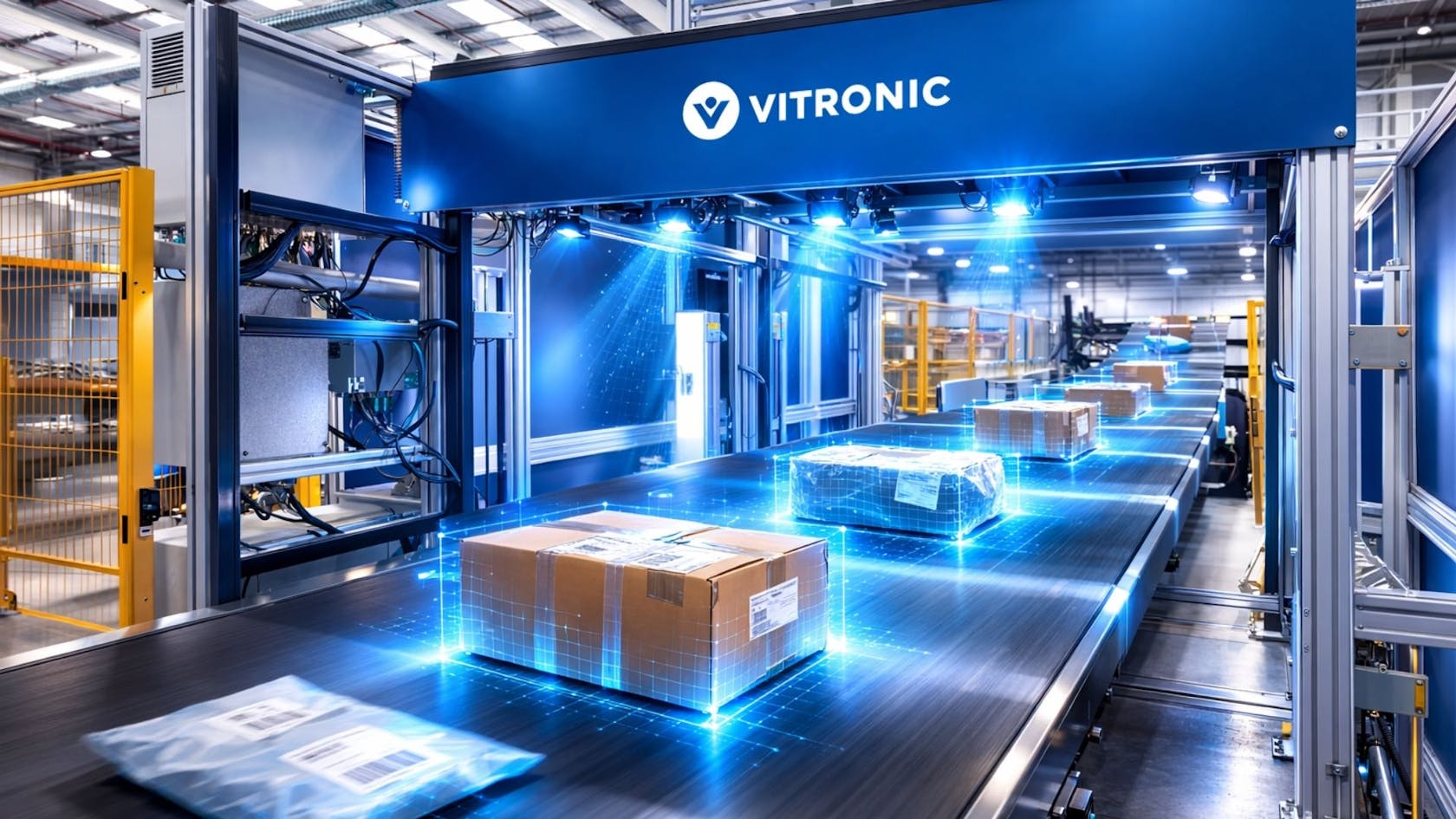
Robert Hussey: Performance always begins with the camera. The best systems are able to capture the barcode or optical characters in high resolution, even for wide conveyor belts and speeds that exceed 3 meters per second (Editor’s note: 600 feet per minute). A large field of view ensures that item even the large items can be reliably identified.
Optics also matter. Modern lenses stabilize image quality across the full width of the conveyor. Combined with adaptive exposure control and dynamic focus, the system compensates for reflections, glossy coatings, and uneven surfaces. Basically, reliable image capture sets the foundation for every decoding step that follows.
Once the image is captured, which software processes are crucial for high First‑Time Reads?
Robert Hussey: After acquisition, the image enters the software pipeline. Here, machine vision algorithms locate the label area and segment it from the background. OCR extracts human‑readable text, such as routing information, postal codes, or customer‑specific identifiers. Barcode decoding then analyses both 1D and 2D codes. This includes rotated codes, low‑contrast prints, or codes with partial damage.
For high FTR performance, robust decoding algorithms are needed to tolerate a wide range of print defects that are commonly seen in distribution centers like low contrast, bar growth, voids caused by bad printing, out-of-spec bar width and height. Fast decoding speed is needed to allow for faster belt speeds and shorter tunnel lengths. To ensure this, it’s relevant to decode multiple code types in parallel and verify outputs with confidence scoring.
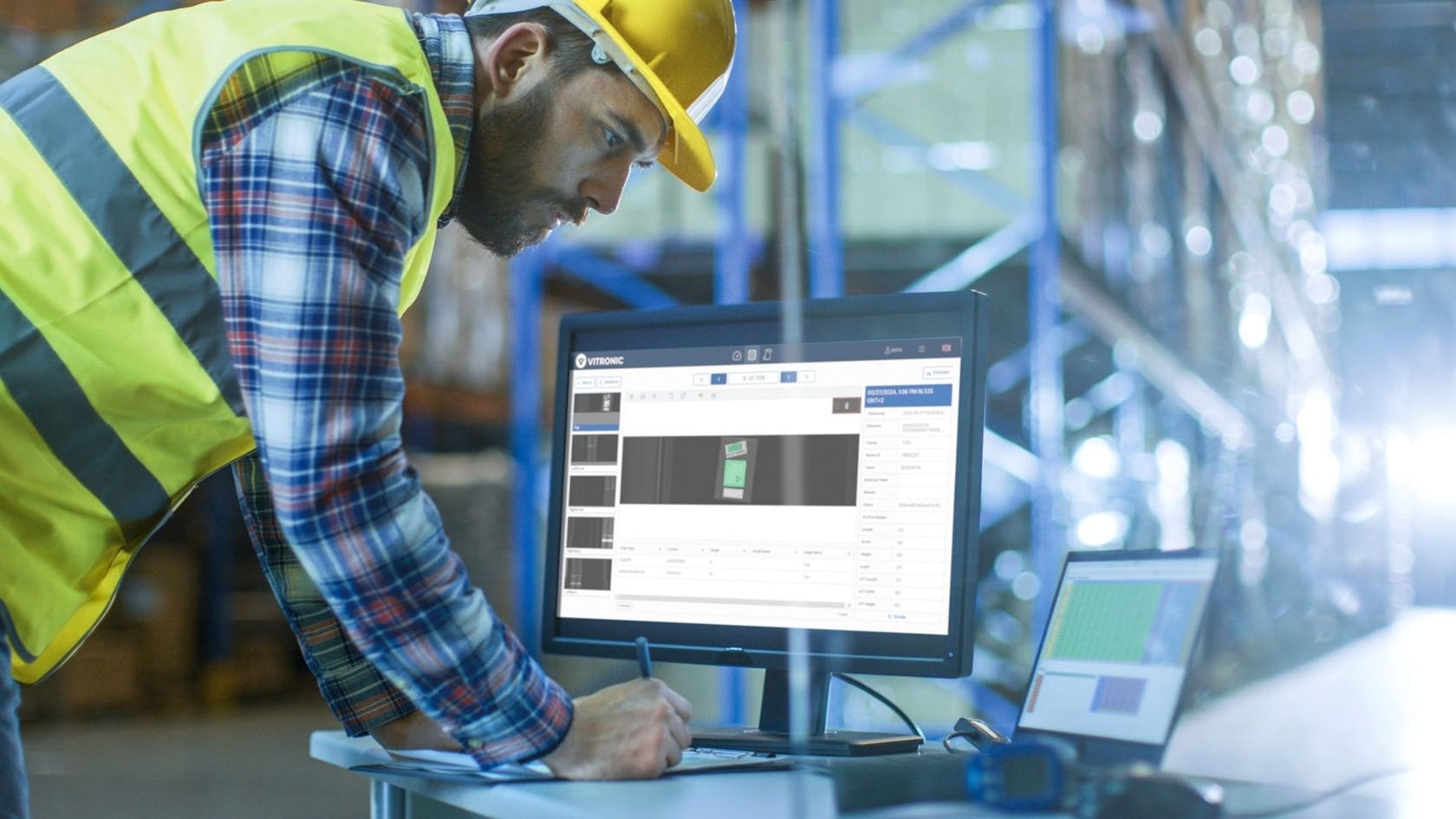
The precision of this stage directly determines how many items pass through without manual handling.
How does AI improve outcomes in sorting operations?
Robert Hussey: AI-based recognition and classification handles label quality scenarios that traditional image processing struggle with, like skewed labels, ripped edges, dirt on the surface, or distorted printing. AI gives added benefits such as recognition of Dangerous Goods labels, and item type classification.
Over time, the system’s software reduces no‑reads and improves resilience across shifts and seasonal peaks.
The result is a more robust sorting operation with fewer exceptions and higher data reliability.
When a no‑read does occur, how do smart analytics support continuous improvement?
Robert Hussey: No system can eliminate every unread case, but it can help operators understand why an error occurred.
Smart analytics assign the cause like a glare, damage, background interference, incorrect label placement, or low print quality. This not only makes root‑cause analysis faster; it gives operations teams immediate, actionable insights. For instance, they can adjust processes, resolve recurring issues, or advise shippers.
Over time, this feedback loop increases First‑Time Reads further and reduces the need for manual rework and allows to protect revenue.
In Short
- Reliable image capture is the foundation for high First‑Time Reads.
- High‑resolution sensors and adaptive optics stabilize performance on objects.
- OCR, barcode decoding, and preprocessing determine data extraction quality.
- AI-based recognition and classification improve outcomes for challenging label conditions.
- Smart analytics reduce future errors and support continuous optimization.