High read rates are one of the strongest levers to reduce cost and risk in logistics hubs. By combining advanced machine vision with AI-supported decoding capability, automation systems detect label information reliably on the first pass. This reduces manual rework, increases data accuracy, and stabilizes throughput. The result is a measurable impact on operational efficiency, cost structure, and customer satisfaction, ensuring that items stay in motion and are delivered on time.
Menü
The future blog of the Machine Vision People
Smart LogisticsHigher return on invest through optimized read rate
How first-time reads transform costs, throughput, and financial performance in distribution centers
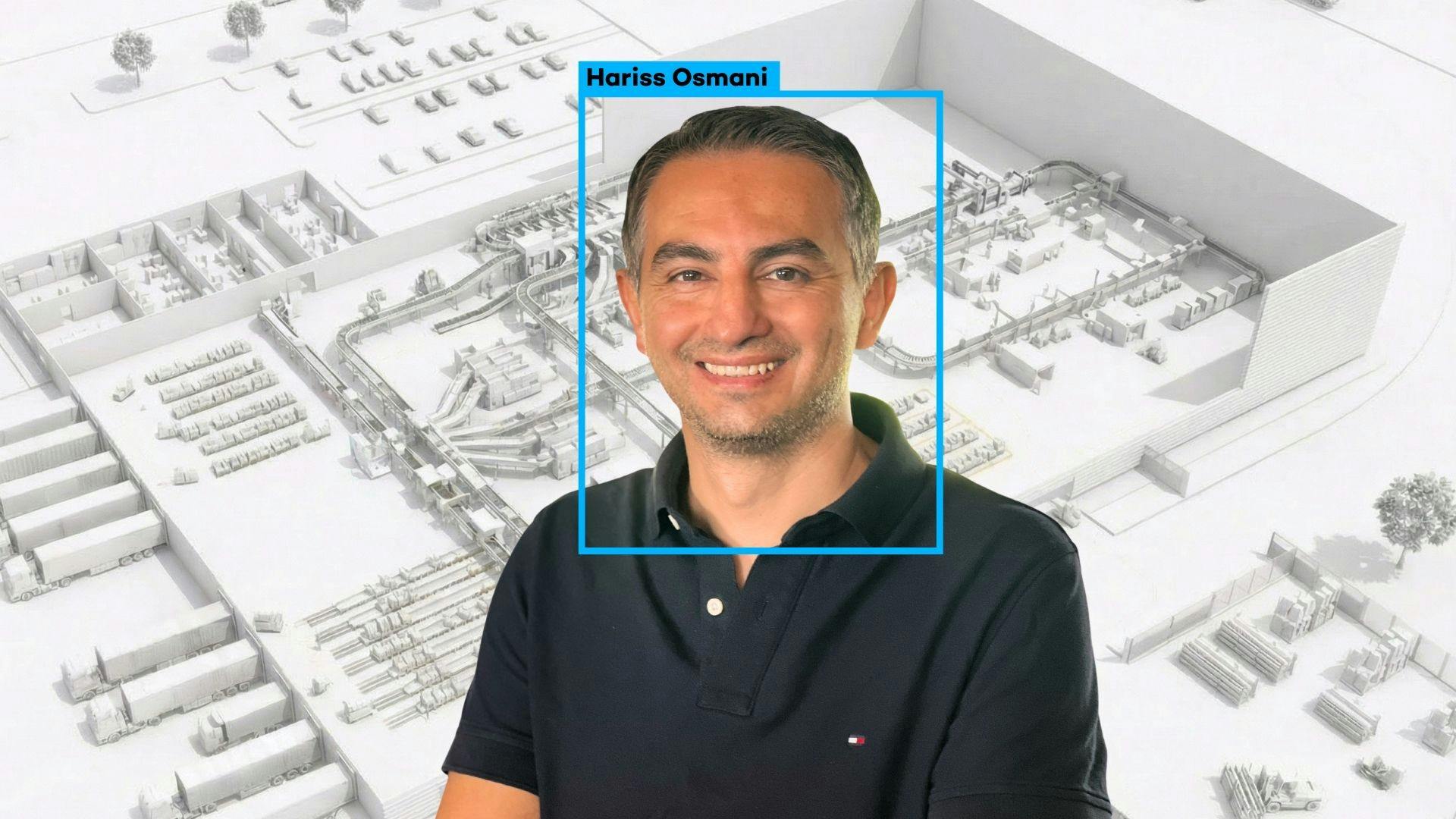
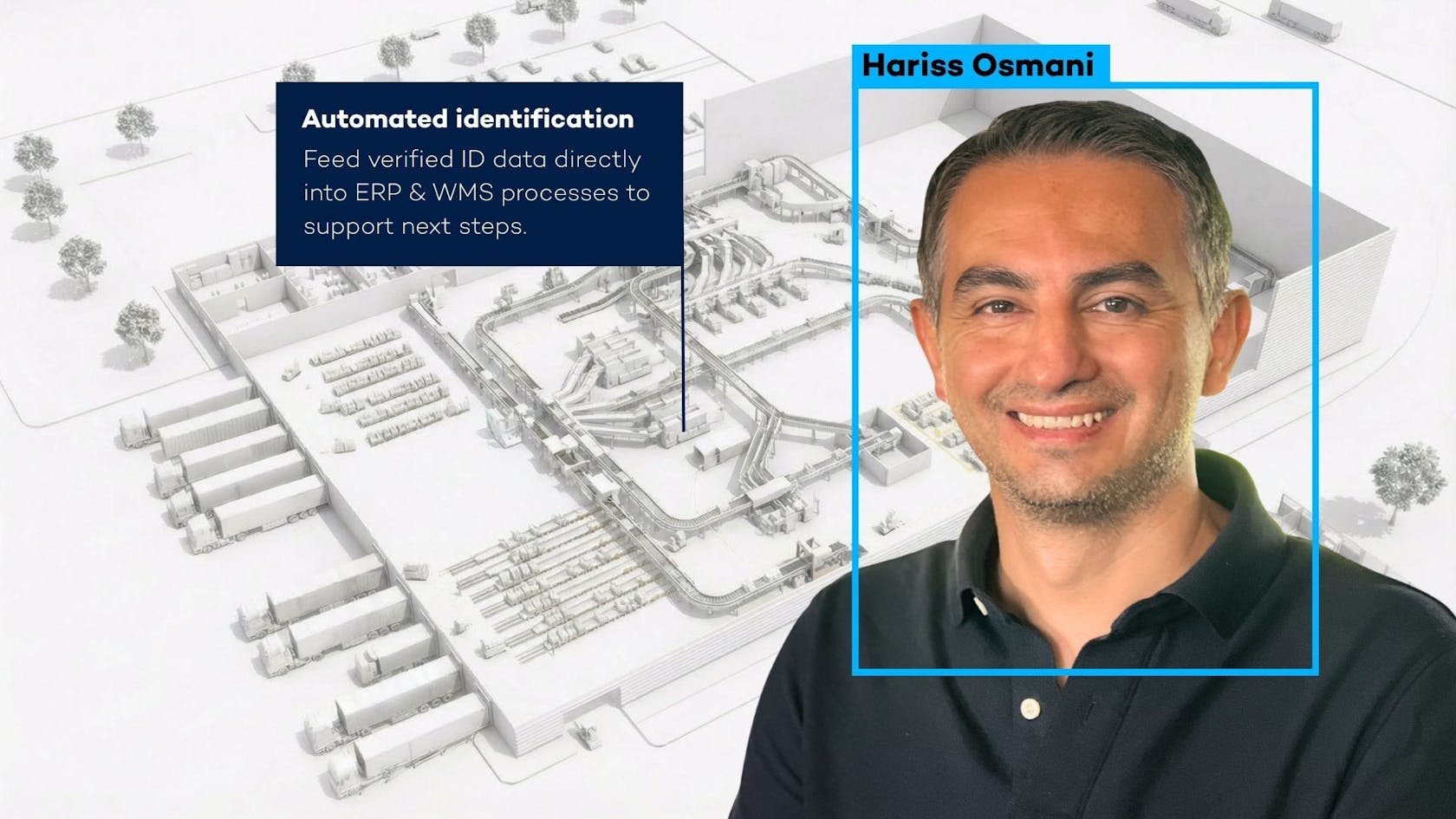
In high volume logistics hubs, even small read-rate deviations can trigger thousands of manual interventions that are driving up costs and slowing down throughput. We spoke with VITRONIC logistics automation expert Hariss Osmani about how read rates influence operational performance and ROI and why precision in the sorting operation is one of the strongest economic levers available.
Why is the read rate in the sorting operation such a critical performance indicator?
Harris Osmani: If an item cannot be read on its first pass—whether due to label damage, bad contrast, wrong placement, or environmental factors—it creates a break in the process. For a medium-sized hub processing 100,000 objects a day, a 2% no-read rate means 2,000 manual interventions every single day. That is a massive operational burden.
High First-Time Read (FTR) rates ensure that items stay in motion, reduce process stops, and stabilize the data pipeline for downstream steps. For quality management, this means fewer exceptions; for operations teams, it means fewer unpredictable slowdowns. Basically, the inbound section is critical because it determines the data quality and speed of your entire hub.
Many hubs believe a 98% read rate is already ‘good’. Why is that misleading?
Hariss Osmani: On paper, 98% sounds solid. In reality, it’s extremely expensive. If you improve your read rate from 98% to 99.8%, which can be done with higher quality systems, the volume of manual rework drops by a factor of ten. That’s thousands of manual touchpoints eliminated.
Touchpoints equal labor time, speed of delivery, and delivery errors, which all ultimately impact financial costs and OPEX.
How does modern machine vision technology contribute to higher FTR rates?
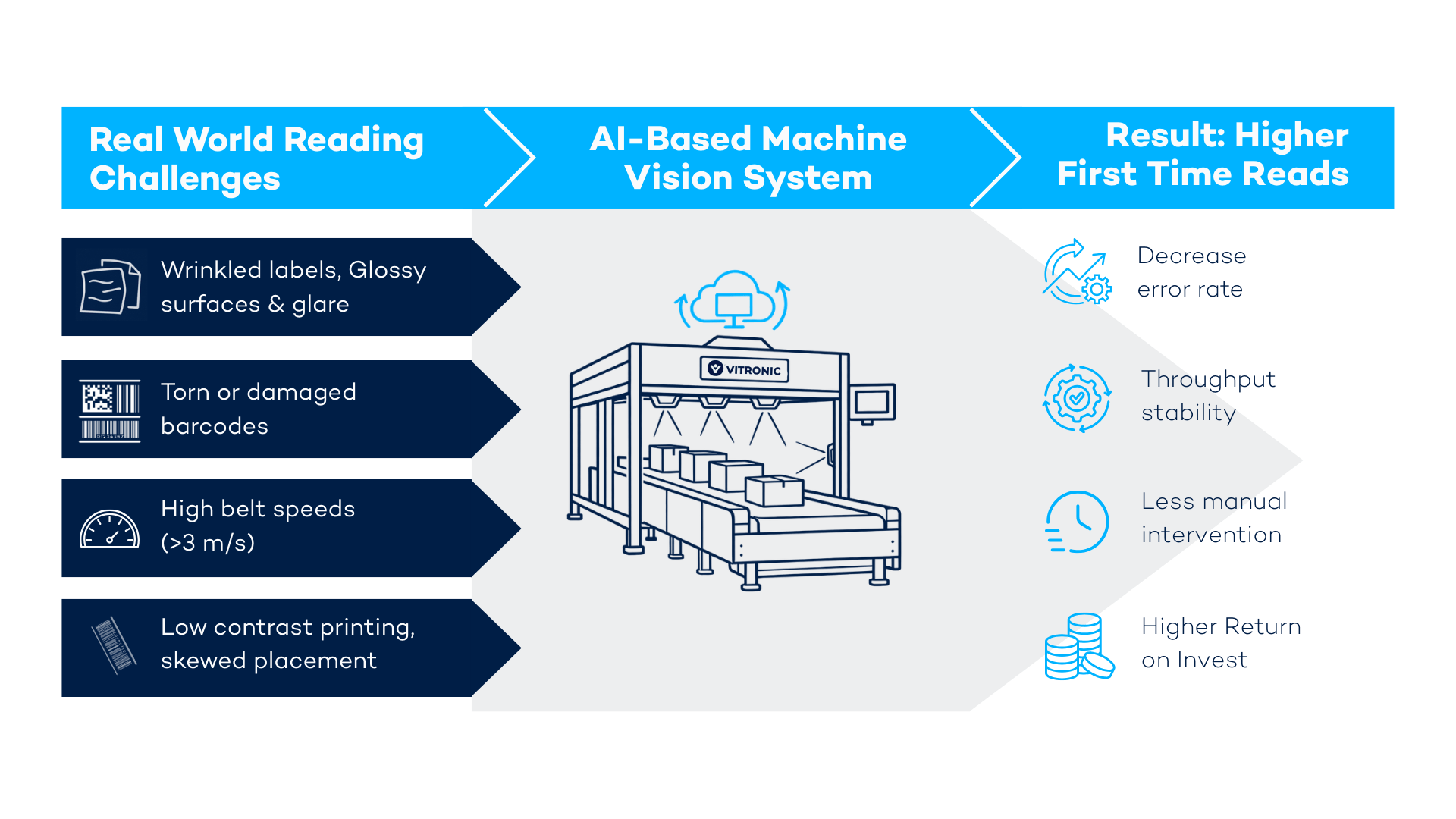
Hariss Osmani: Today’s machine vision systems use high-resolution cameras, high‑precision autofocus mechanism, adaptive exposure control, advanced barcode decoding, and AI-based models to scan, capture, and record even the most challenging labels, such as wrinkled, low contrast, torn, or placed at odd angles. These technologies meet the hubs’ goal to extract the right data on the first pass.
When hardware and algorithms work together, error rates drop dramatically. This directly converts to fewer stops, increased throughput stability, and higher operational uptime.
Beyond efficiency, how do high FTR rates impact customer experience and reputation?
Hariss Osmani: Every unread object is a friction point. A portion of the unread items become delays, and a fraction of those become customer complaints. Sadly, customers remember the delays and not the tens of thousands of objects that ran smoothly.
High read rates protect service reliability, delivery predictability, and brand trust. They also reduce the cases that customer service teams need to follow up on.
For many logistics operators, improving read rates is one of the most effective ways to strengthen customer satisfaction without adding new service layers.
In Short
- High First-Time Reads reduce manual handling and stabilize processes.
- Improving FTR from 98 to 99.8% reduces manual interventions by a factor of ten.
- AI assisted decoding increases robustness in real-world inbound conditions.
- Fewer errors protect ROI and minimize operational risk.
- Stable read rates support reliable, predictable item processing.
Summary