Rail-OCR and Automatic Train DetectionDigitized Rail Processes
Automatic train detection for terminals, port railways, and industrial tracks
Rail-OCR and Automatic Train Detection
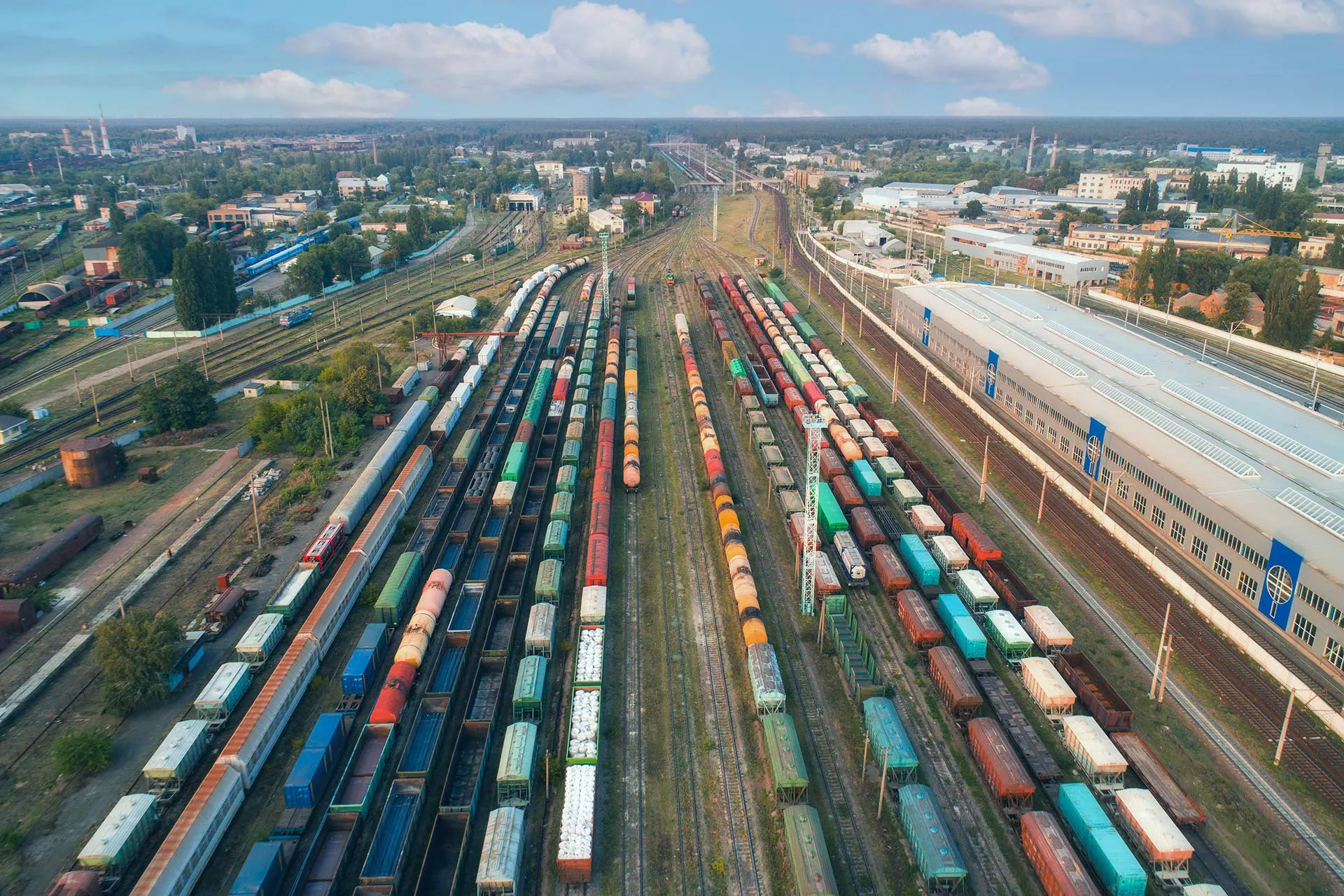
When every train becomes visible automatically
For smooth, reliable, and safe operations in rail freight transport, recording and analyzing real train and cargo data in real time is crucial. VITRONIC Railgate makes train movements digitally usable wherever manual checks still slow down operations today: at the entry and exit points of terminals, port railways, transshipment yards, and industrial plants with rail connections.
How can rail processes be managed before bottlenecks occur?
What Rail-OCR Gate changes in operation
Railgate combines automatic detection, image documentation, and system integration at a digital control point for rail freight traffic. The application helps operators make train movements more transparent, reduce media discontinuities between tracks, operations, and billing, and base operational decisions on reliable real-time data. This makes Rail-OCR Gate a scalable foundation for terminal automation, digital train dispatching, and transparent rail logistics.
Automatic train detection during passage
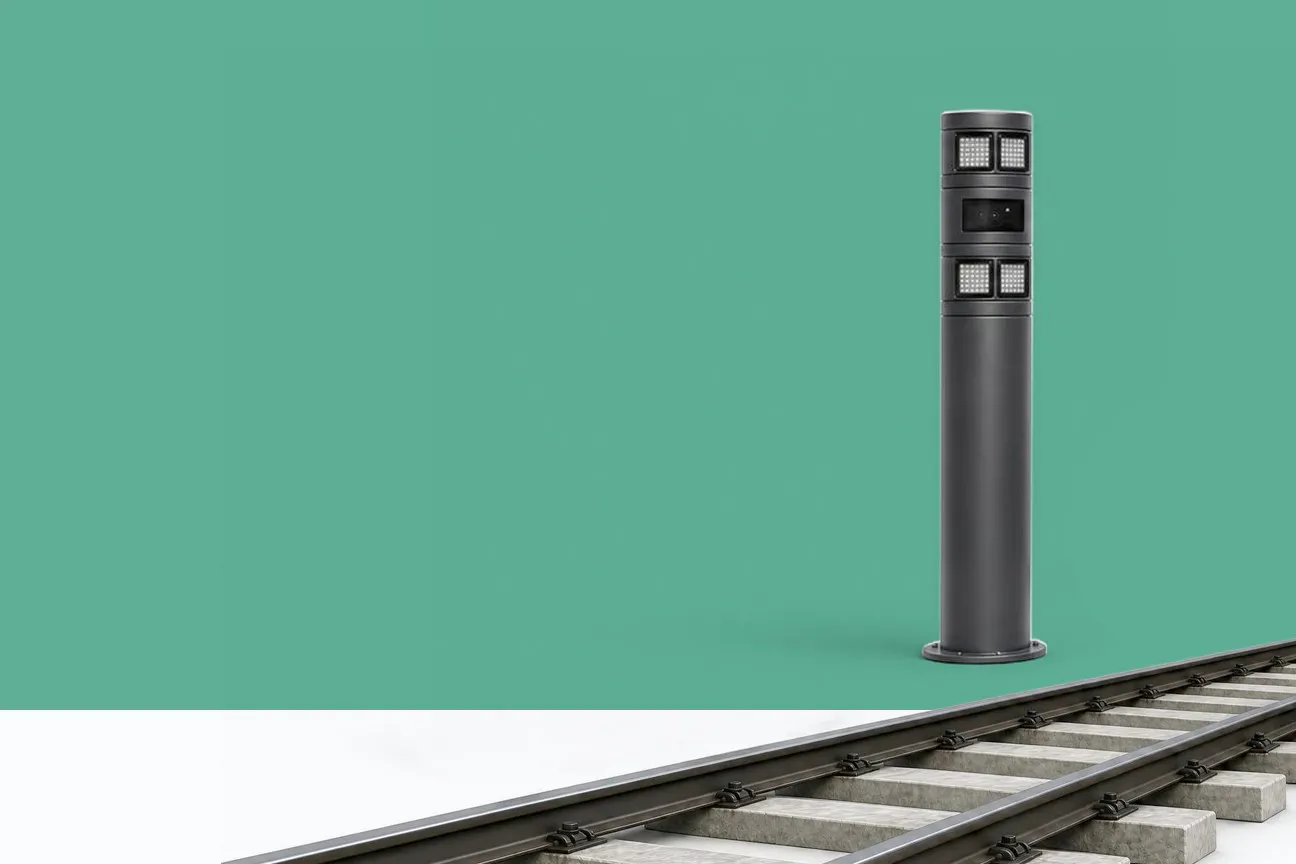
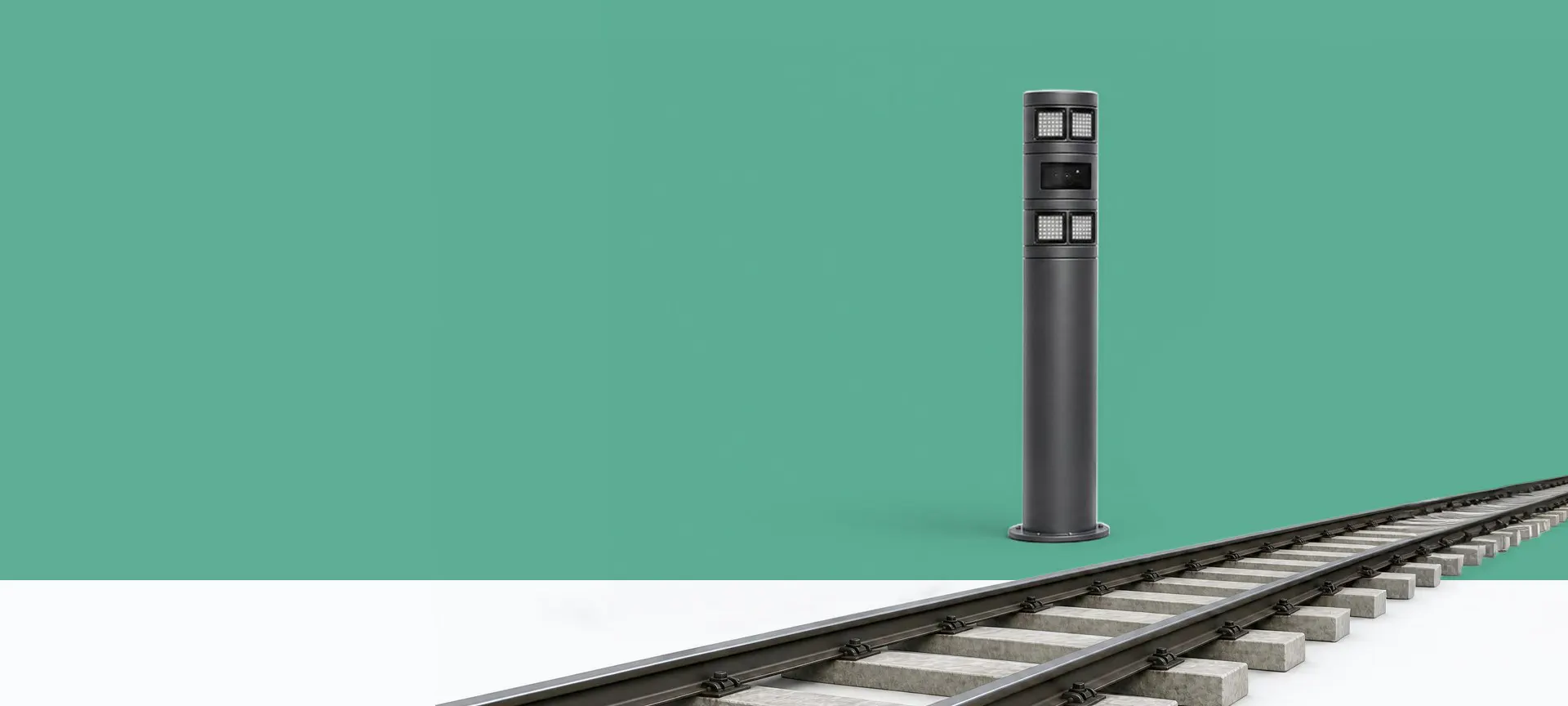
VITRONIC Railgate automatically detects trains, railcars, and loading units in ongoing operations. High-resolution cameras, precise axle sensors, and AI-based OCR recognize UIC railcar numbers, container numbers, hazardous material signs, direction of travel, speed, number of axles, and train length. This creates a complete digital data image of each train passage.
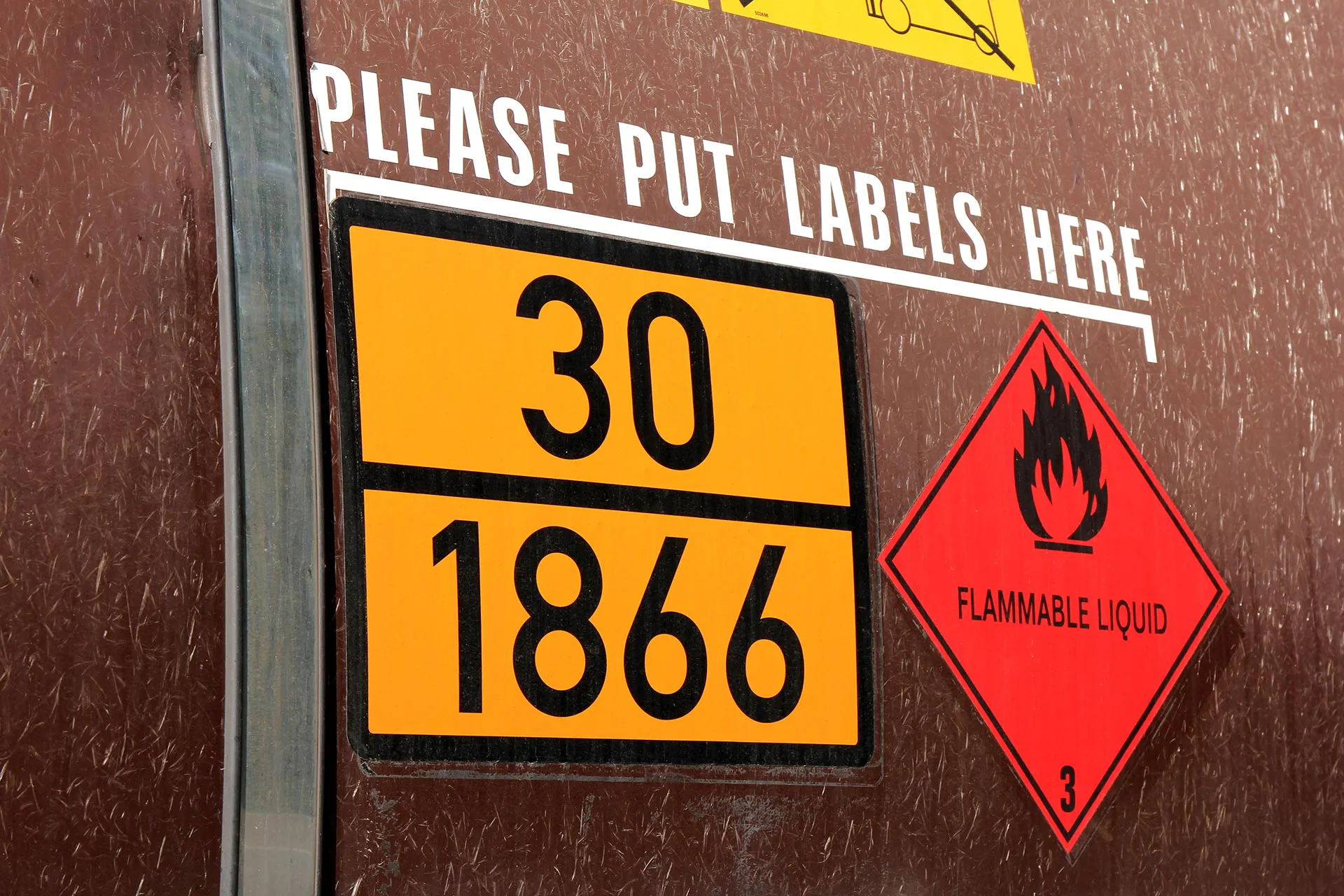
Image documentation for deviations and transfers
If railcar, container, or hazardous materials data need to be checked later, a data set alone is often not enough. Railgate links recognized identification data with visual documentation of the train passage. This allows operators to more specifically track deviations, transfers, and queries—without having to manually reconstruct the entire train movement again.
More than identification: Combining status and process data
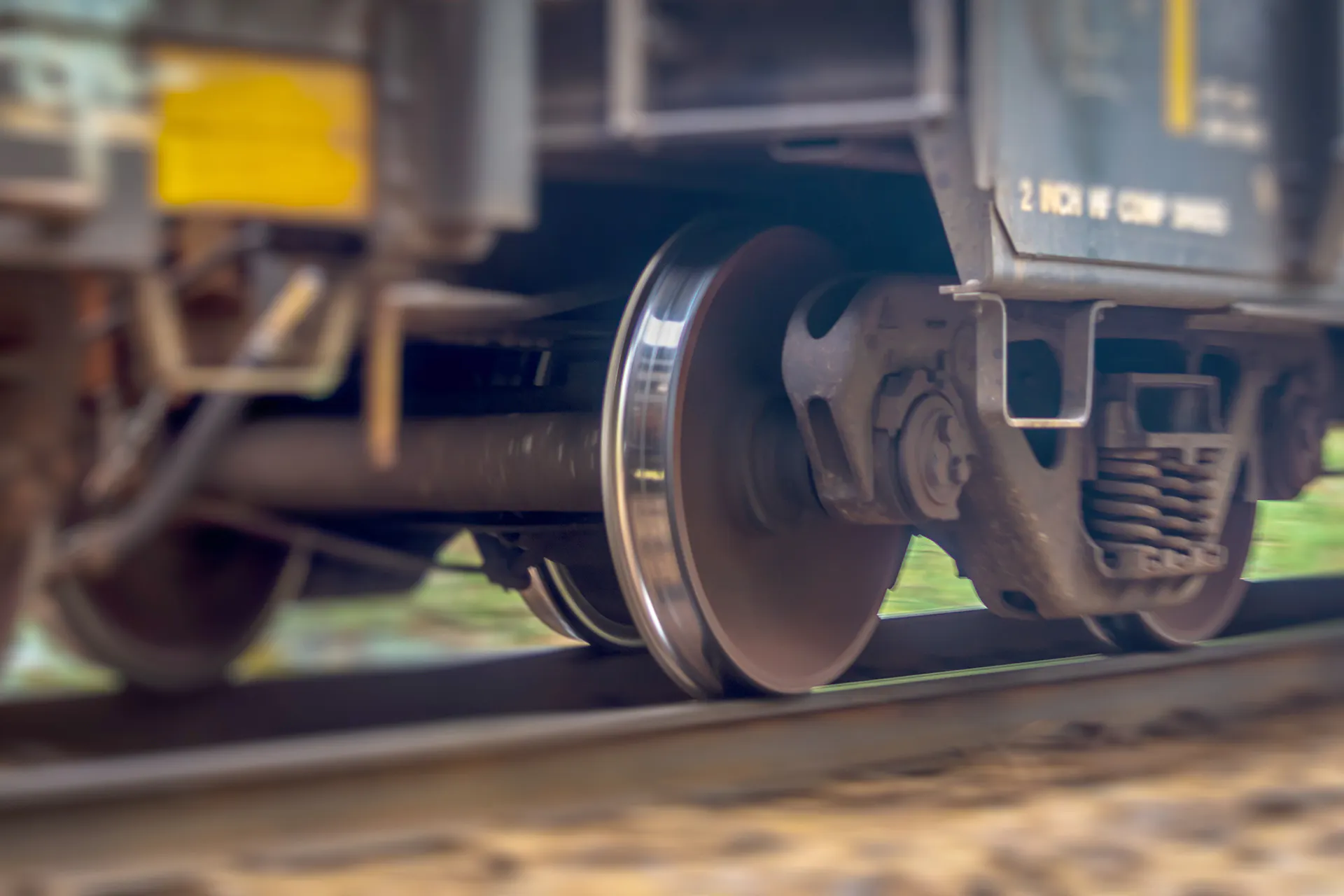
Depending on the location, Railgate can be expanded with additional sensors, for example, for dynamic weight data, flat spot detection, leakage indicators, or open dome lids. The modular architecture allows the solution to be used both for pure identification tasks and for safety-critical processes in chemicals, petrochemicals, port logistics, or intermodal transshipment.
Use Rail-OCR data directly in TOS, YMS, and control systems
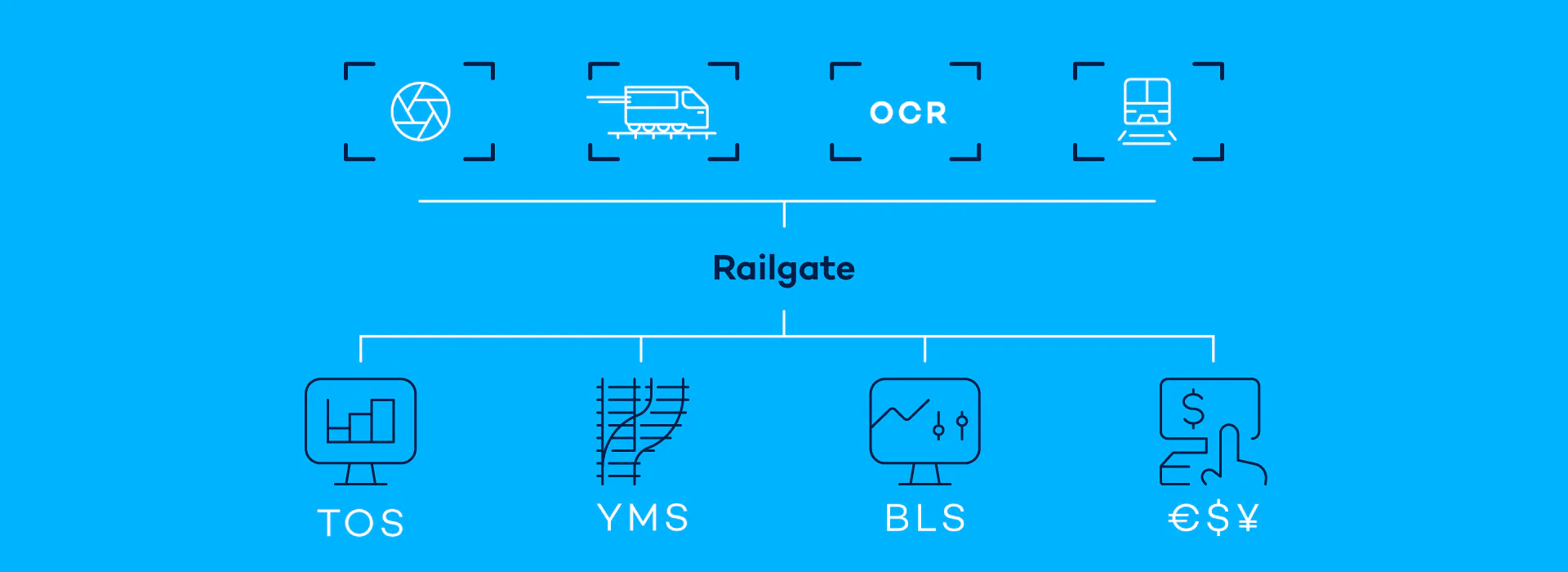
Railgate is designed to transmit collected data into existing system environments – such as Terminal Operating Systems, Yard Management Systems, control systems, or billing systems. This ensures automatic train detection does not become an isolated data silo, but instead forms a building block of digital rail dispatching that closely connects detection, scheduling, documentation, and billing.
Complete solution instead of individual software modules
Your benefits at a glance
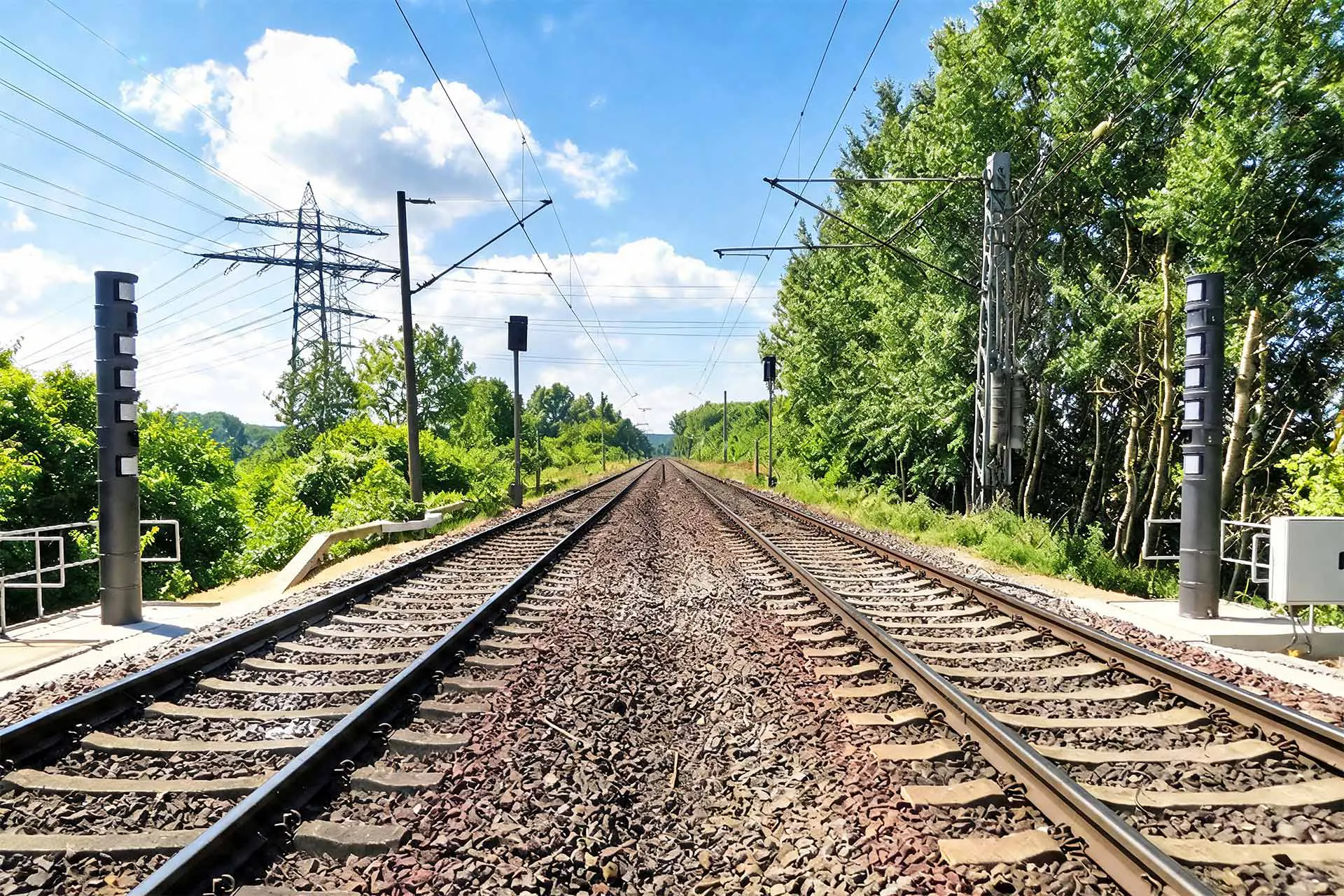

Automate your rail processes
Your benefits at a glance
- Automatic detection of trains, railcars, containers, and hazardous materials signs
- Rail-OCR and railcar detection during passage
- Fewer manual inspections
- Direct integration with TOS, YMS, control, and billing systems
- Modular expandability with sensors for weight, condition, and monitoring