Europe’s roads remain a danger zone. To achieve Vision Zero and significantly reduce the number of traffic fatalities and serious injuries, additional measures are required. Innovative technologies, such as laser- and video-based traffic enforcement systems, play a crucial role in prevention. Furthermore, increasing public acceptance of traffic regulations and systematically collecting and analyzing road safety data are essential. Only a coordinated and comprehensive response can address this issue, improve road safety, and save lives.
Menü
The future blog of the Machine Vision People
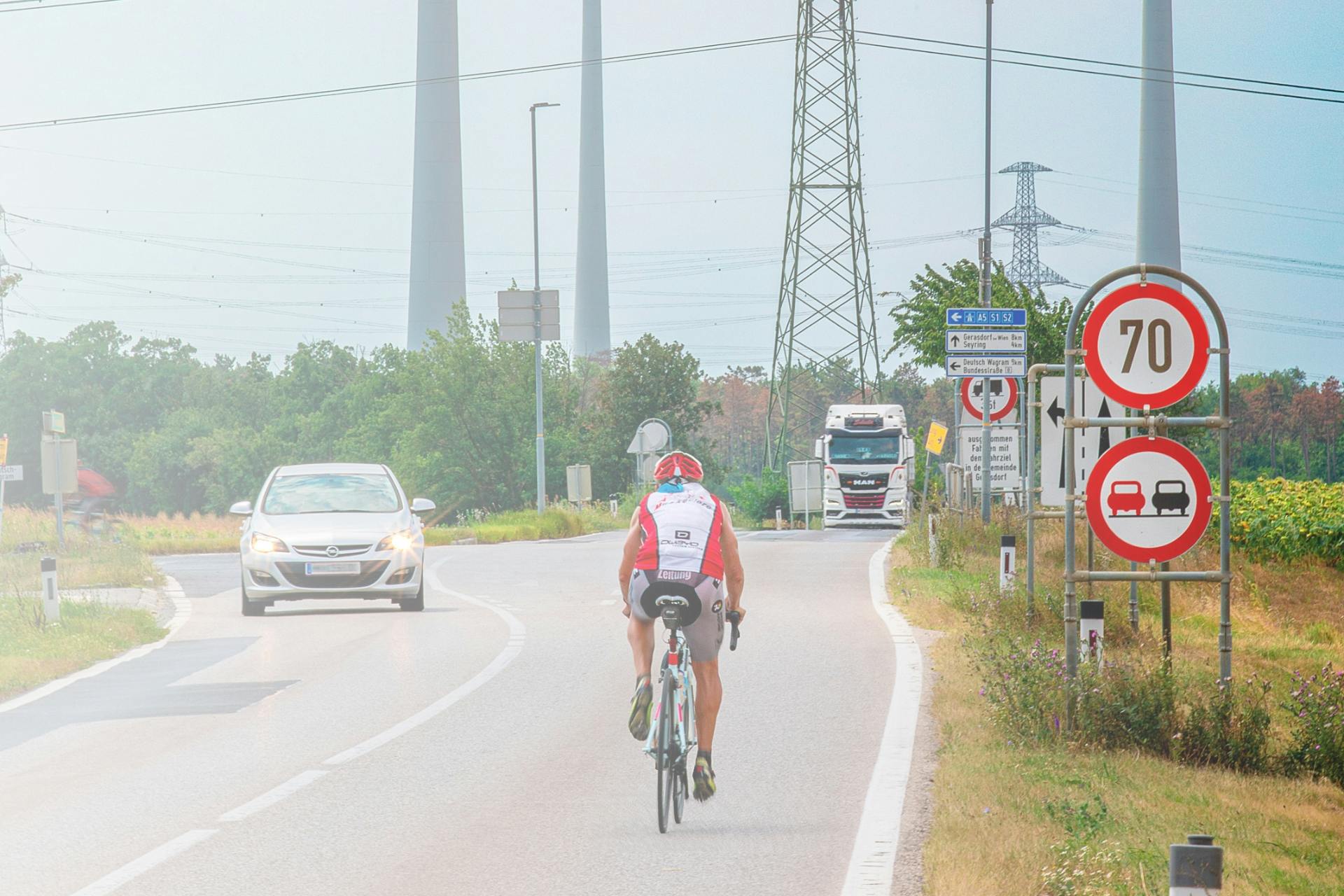
Travelling on Europe's roads remains dangerous. To reduce the number of serious road accidents and halve the number of road deaths by 2030, stricter enforcement of speeding, tailgating, red light running and failure to yield is crucial. Innovative technologies remain an essential tool for improving road safety.
A Future Without Traffic Fatalities
Vision Zero is based on the principle that all accidents are preventable. This safety strategy aims to reduce the number of fatalities and serious injuries in road traffic to zero. The latest figures underline the need for continued preventive efforts to save lives.
Traffic Fatalities Remain at Concerning Levels
Traffic accidents are among the leading causes of death globally, with 1.19 million fatalities worldwide (Global Status Report on Road Safety, WHO). The 18th Road Safety Performance Index, published by the European Transport Safety Council, reports that 20,418 people lost their lives on the roads of the European Union in 2023. Compared to 2022, the number of traffic fatalities has decreased by just 1 percent on average.
Germany, with 35 traffic fatalities per million inhabitants and 21 serious injuries for every fatality, is in line with other European countries. However, to meet the United Nations goals and the European targets for the Decade of Action — a 50 percent reduction by 2030 — an annual decrease of 6.1 percent would be necessary.
The high number of accidents across Europe is alarming, especially for us in the most populous country of the European Union. This is a clear wake-up call for everyone: It shows that we must take even stronger action to protect human lives on our roads. So far, Europe is falling significantly short of its political targets.”
Building Blocks for Greater Road Safety
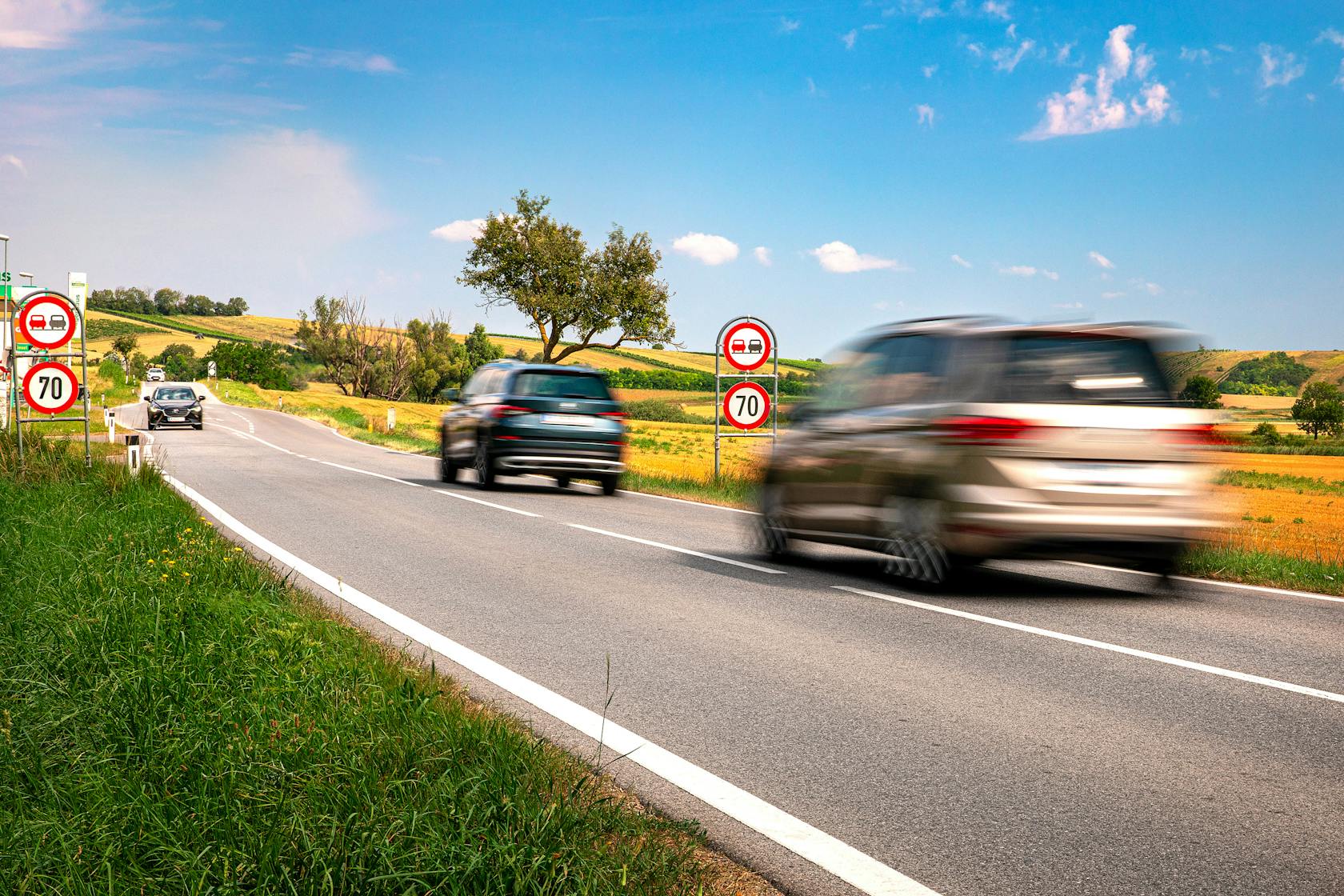
Speeding remains one of the most common causes of accidents. It is clear that reducing vehicle speeds and ensuring proper enforcement can significantly decrease the number of traffic fatalities and serious injuries.
©CasanovaStefan
The main cause of accidents is excessive speed. Two effective solutions are enforcing an 80 km/h speed limit on dangerous narrow roads and ensuring consequences for speeding. More traffic monitoring is needed, focusing on the most dangerous violations. Unfortunately, many transport and interior ministers avoid addressing this politically sensitive issue, but protecting lives on the road requires standing up to resistance."
In its board resolution from October 2023, the DVR recommended a total of nine measures for monitoring dangerous traffic violations. These include:
● Comprehensive surveillance: This involves regular, visible monitoring to ensure adherence to traffic regulations. To encourage consistent compliance, enforcement should remain unpredictable for road users. Traffic authorities and municipalities are advised to prioritize enforcement at the most hazardous locations.
● Adjustment of penalties: Stricter penalties for high-risk traffic violations are needed, along with reforms to existing sanctioning systems.
● Basic infrastructure: A standardized nationwide legal framework for traffic enforcement would be highly beneficial. Methods such as section control (average speed checks) have already proven their effectiveness. Ideally, traffic monitoring infrastructure should be integrated into road planning and design from the outset, with appropriate financial considerations included.
Cutting-Edge Technologies for Effective Prevention
Back in 2004, the European Commission recommended that its member states establish national action plans for traffic enforcement. Finland has taken a leading role, reducing the number of road fatalities by 29 percent (compared to 16 percent EU-wide). The country’s road safety program includes investigating every fatal accident and the widespread use of speed enforcement systems.
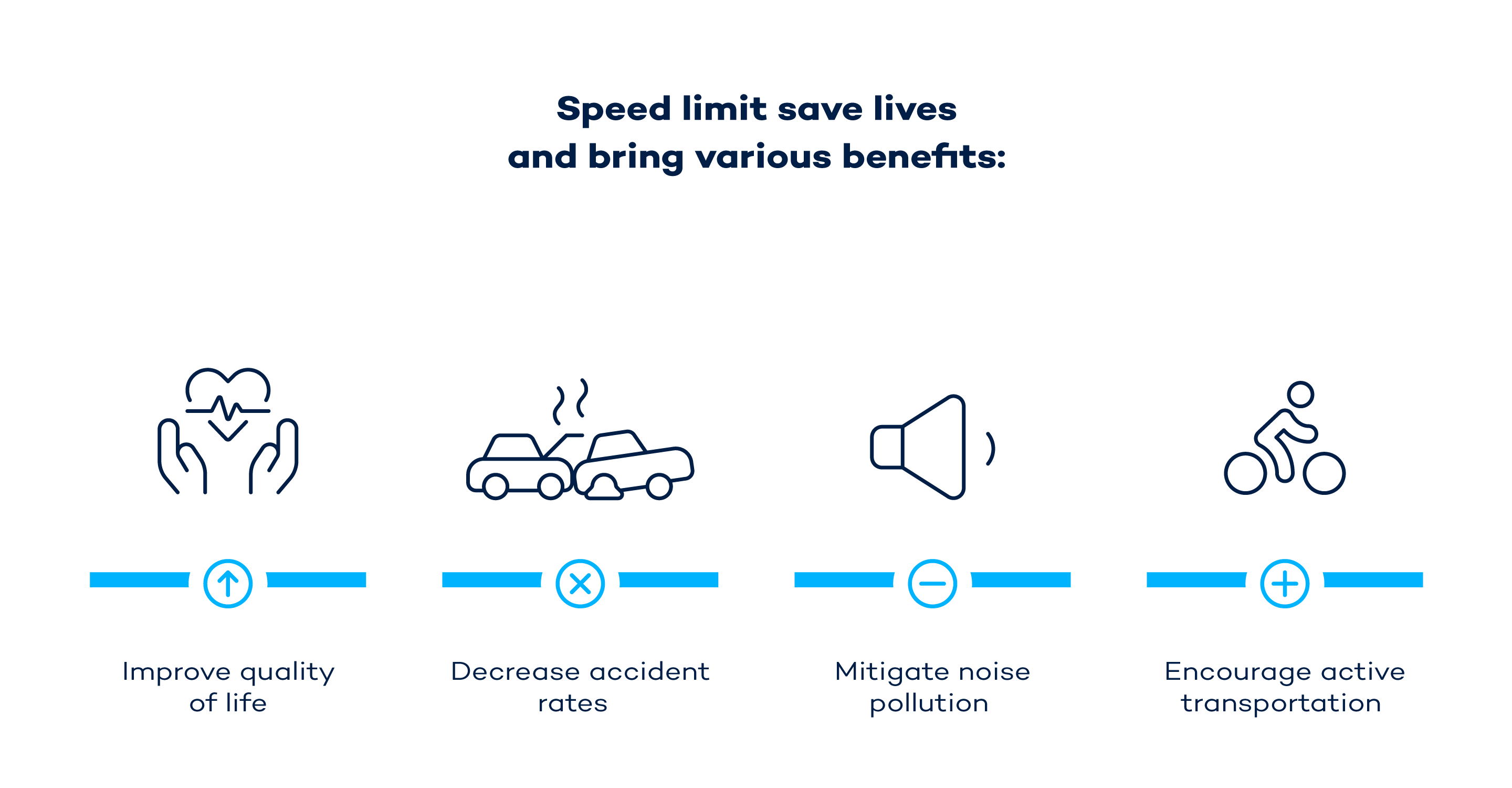
As the risk of accident decreases exponentially with speed, the setting of speed limits is essential. In practice, only consistency in speed enforcement can have a long-term positive impact on driver behavior and reduce the number of accidents. Speed limits without enforcement measures are often ignored, leading to a false sense of security.
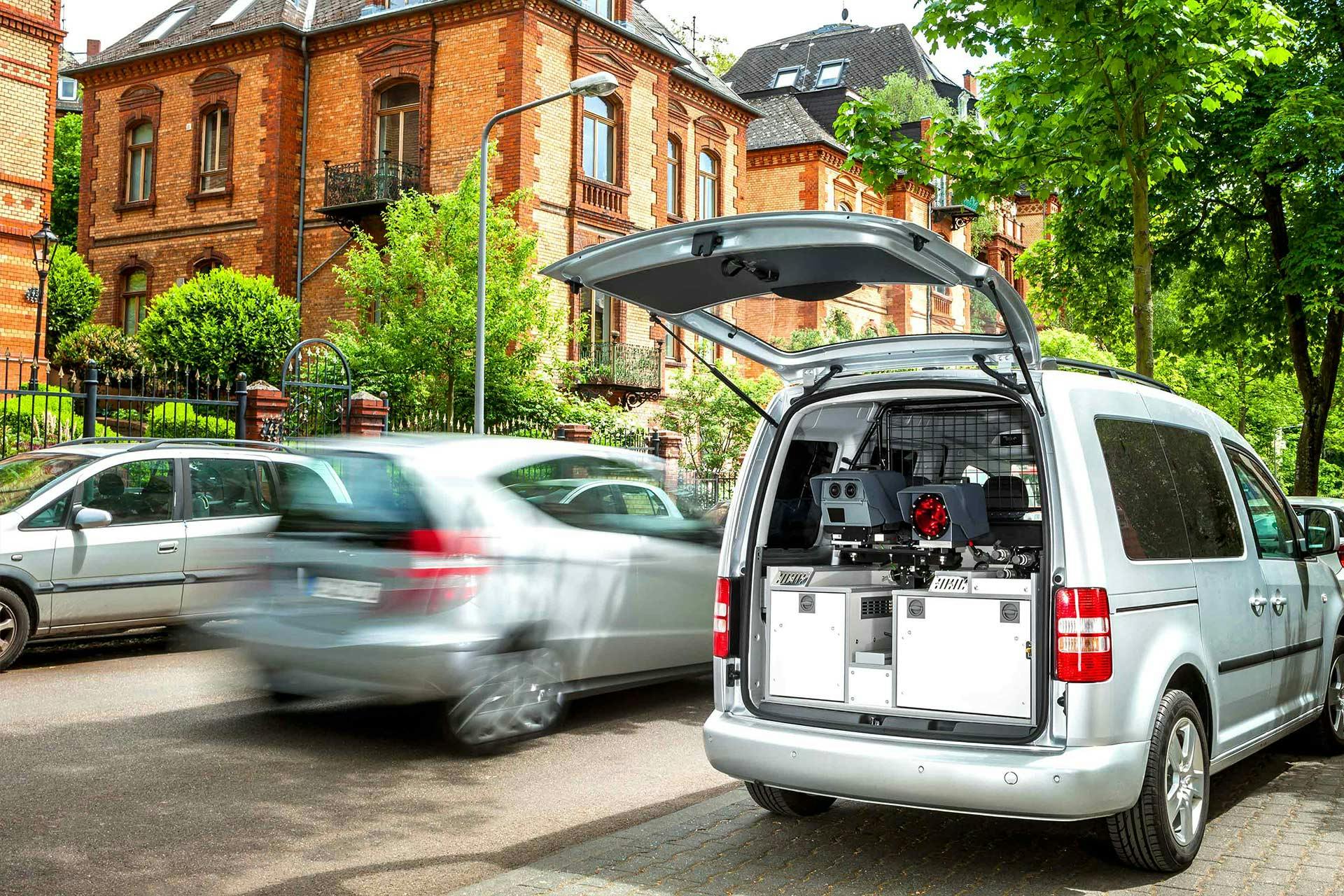
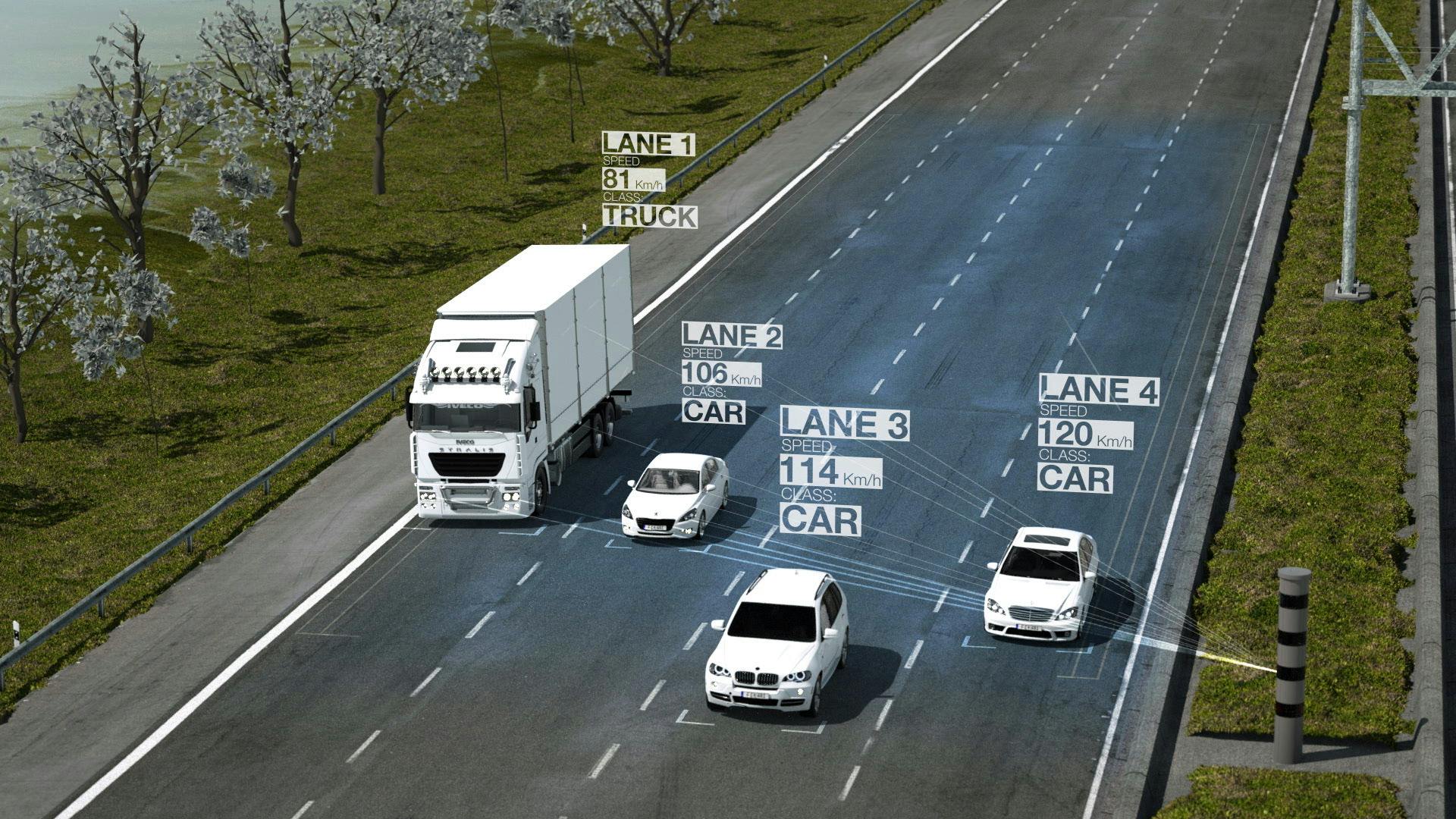
VITRONIC, as a global leader in road safety, develops high-performance speed enforcement technology for more efficient traffic monitoring. The laser-based POLISCAN systems provide precise solutions for stationary, semi-stationary, and mobile speed enforcement. Additionally, video-based red light monitoring secures intersections and railway crossings. However, the full potential of these technologies has yet to be realized.
Enhancing Compliance with Traffic Regulations
Several factors significantly influence driver behavior, including:
● the likelihood of being detected and penalized, and
● the degree of enforcement pressure and penalties proportional to the potential danger posed to others.
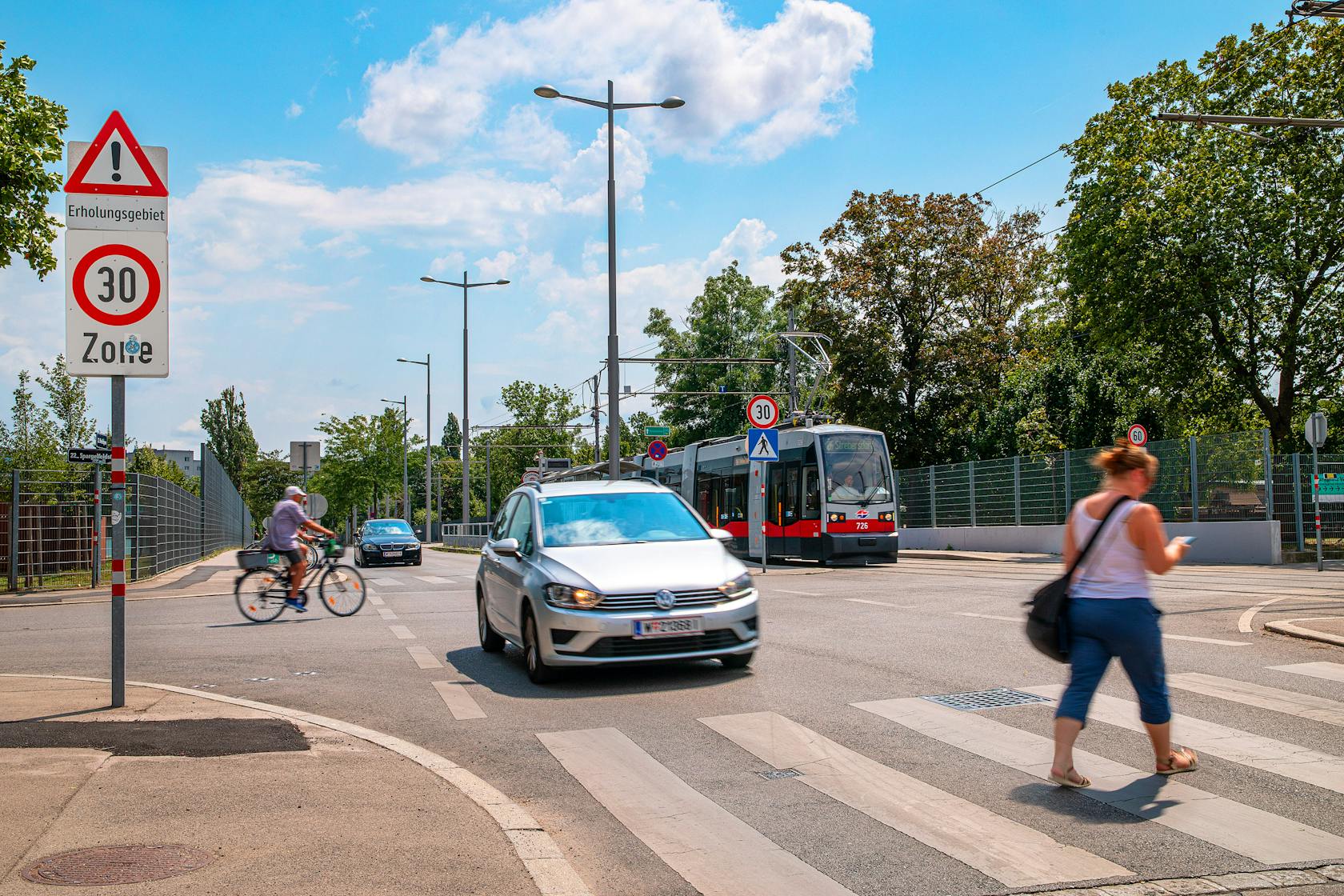
Acceptance of traffic regulations is crucial for compliance. If there are no consequences for breaking the rules, there is little motivation to obey them. Conversely, traffic regulations will only be accepted if compliance is effectively monitored and the likelihood of detection is high. Therefore, traffic enforcement should be comprehensive, regular and visible, yet unpredictable.

Safety on Europe's roads remains a major challenge. To achieve Vision Zero, we must act decisively and leverage innovative technologies that have proven to save lives. Our goal is clear: fewer accidents, fewer casualties. To this end, we rely on consistent monitoring and intelligent integration of road safety measures."
©CasanovaStefan
Improving Data Coordination
The DVR continues to urge federal states to systematically consolidate road safety-related data including speeding violations, road conditions, and accident statistics. A comprehensive data foundation would enable more effective research and targeted traffic monitoring.
Conclusion
In short
- Laser and video-based technologies promote accident prevention.
- Increase acceptance for traffic rules and collect data.
- Coordinated measures increase traffic safety.