Automated Weld Seam InspectionPerfect weld seams
Defect-Free Weld Seams Thanks to Laser Inspection

Because Your Customers Expect Perfection
- 100%inspection
Premium Quality in Car Manufacturing
A single imperfect seam can render an entire car unsellable– but this is a cost that can be avoided! Weld seam inspection ensures that only perfectly welded car bodies leave your production line. This, in turn, guarantees optimal customer satisfaction and protects your brand image.
Early Defect Detection
- 100%error detection
- 0%slippage
Weld seam inspection reliably detects all welding defects in automotive production – on both visible and invisible seams. Even the slightest defects are detected – immediately after the welding process. This means that corrective actions can be swiftly implemented.
The end results are reduced costs thanks to early intervention, satisfied customers thanks to high quality standards, and no nasty surprises caused by late detection of defects.
VIRO WSI Misses Nothing
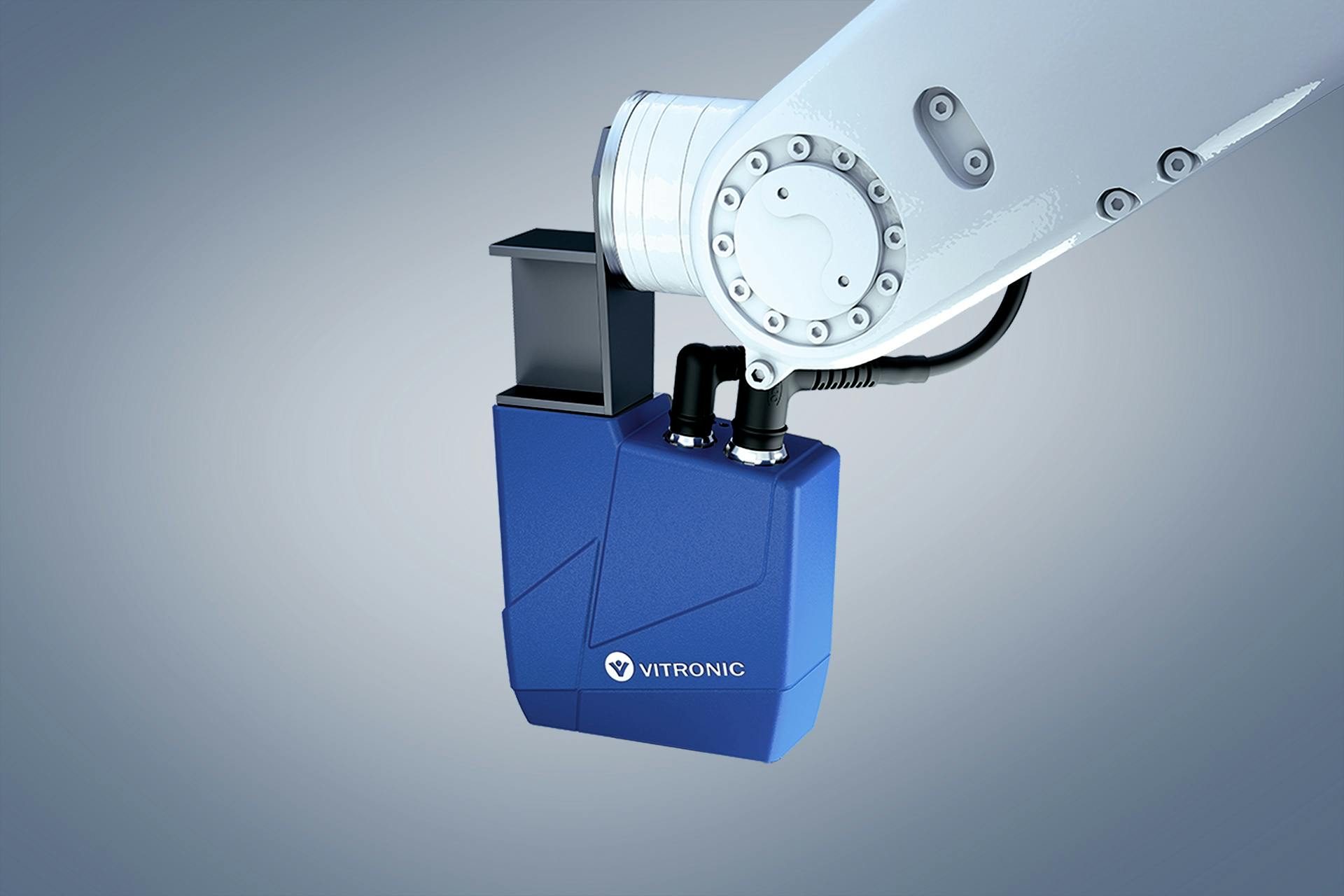
VIRO WSI from VITRONIC offers maximum inspection performance for all seam types. VIRO WSI has a broad inspection range that is unparalleled in the market using inspection criteria that can be customized for a variety of requirements and applications. The solution is as easy as possible to use, with many user-friendly functions, such as parameter transfer, inspection program templates, and component visualizations.
Inspection range (a selection)
• throat thickness (A dimension)
• seam position
• seam irregularity
• object height
• porosity
• weld spatter
Economically-Efficient Production
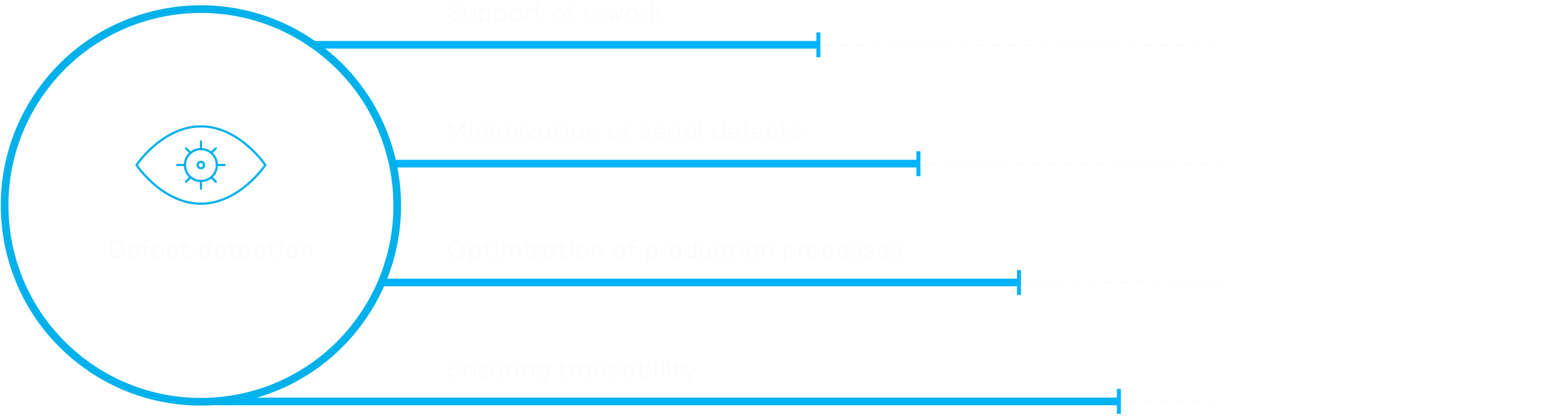
The VIRO WSI inspection system automatically documents all inspection results and stores them in an integrated database. From this data, you can immediately determine any action that may be required. In addition, the aggregation of this data serves as a valuable basis for long-term analyses. Your ever-growing database enables you to initiate effective process optimizations and implement these on an ongoing basis.
Effortlessly find and eliminate error sources
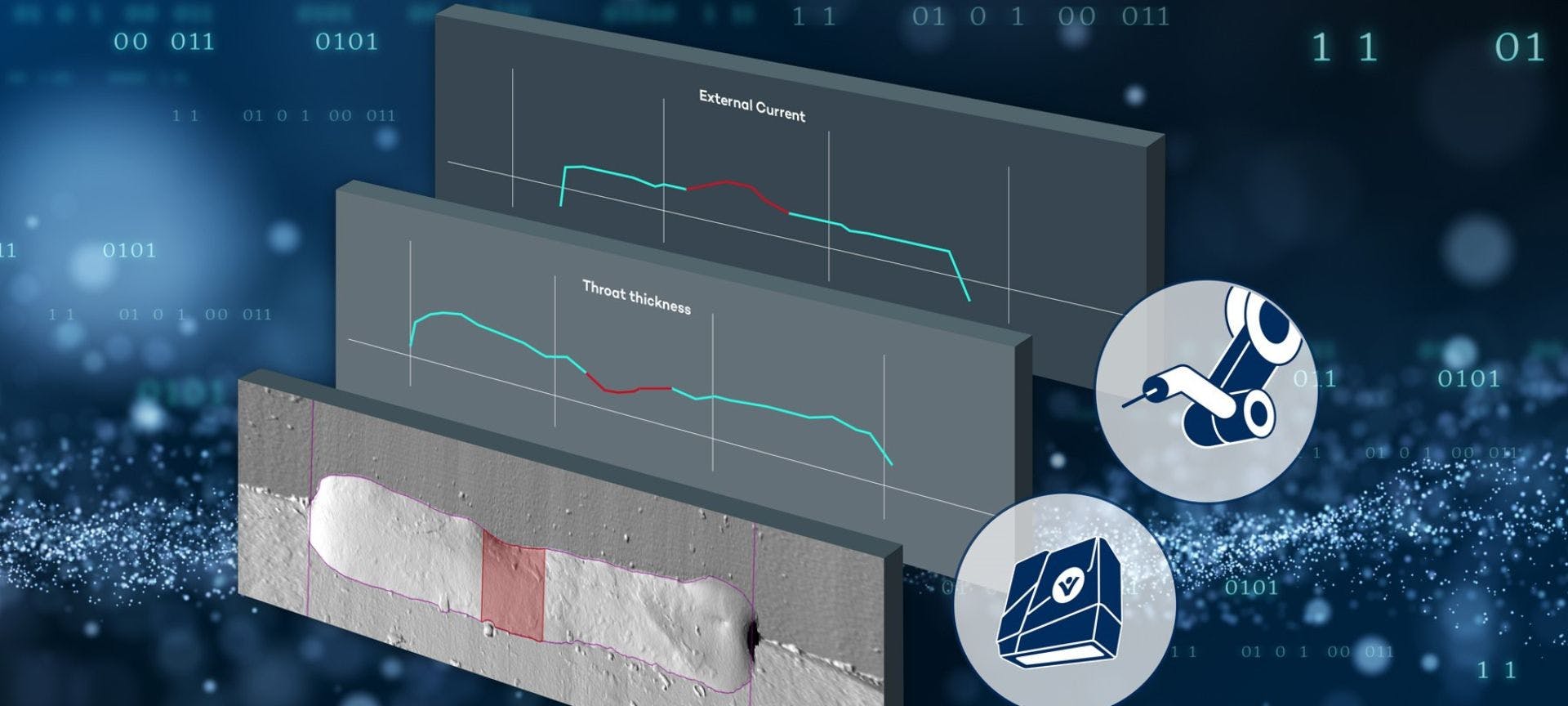
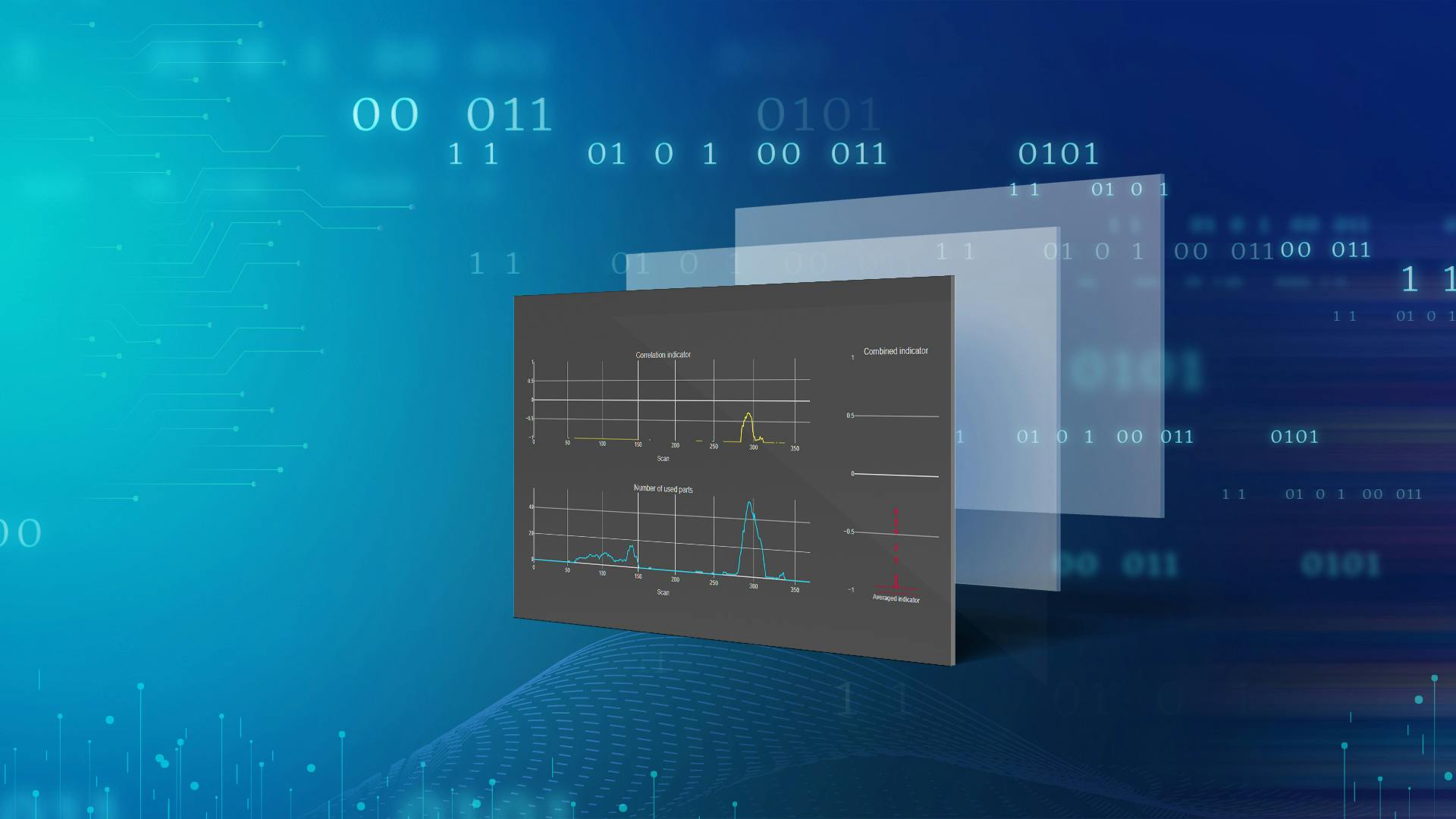
Inspection data may enable you identify errors, but it does not reveal their cause. The Weldloop software can link the data from the VIRO WSI weld seam inspection with your welding robots’ process data: trend analyses and visualizations make identifying connections effortless.
This enables you to take swift action and eliminate error sources. It also makes the inspection itself more accurate. The result: a more stable welding line plus minimal downtime and waste.