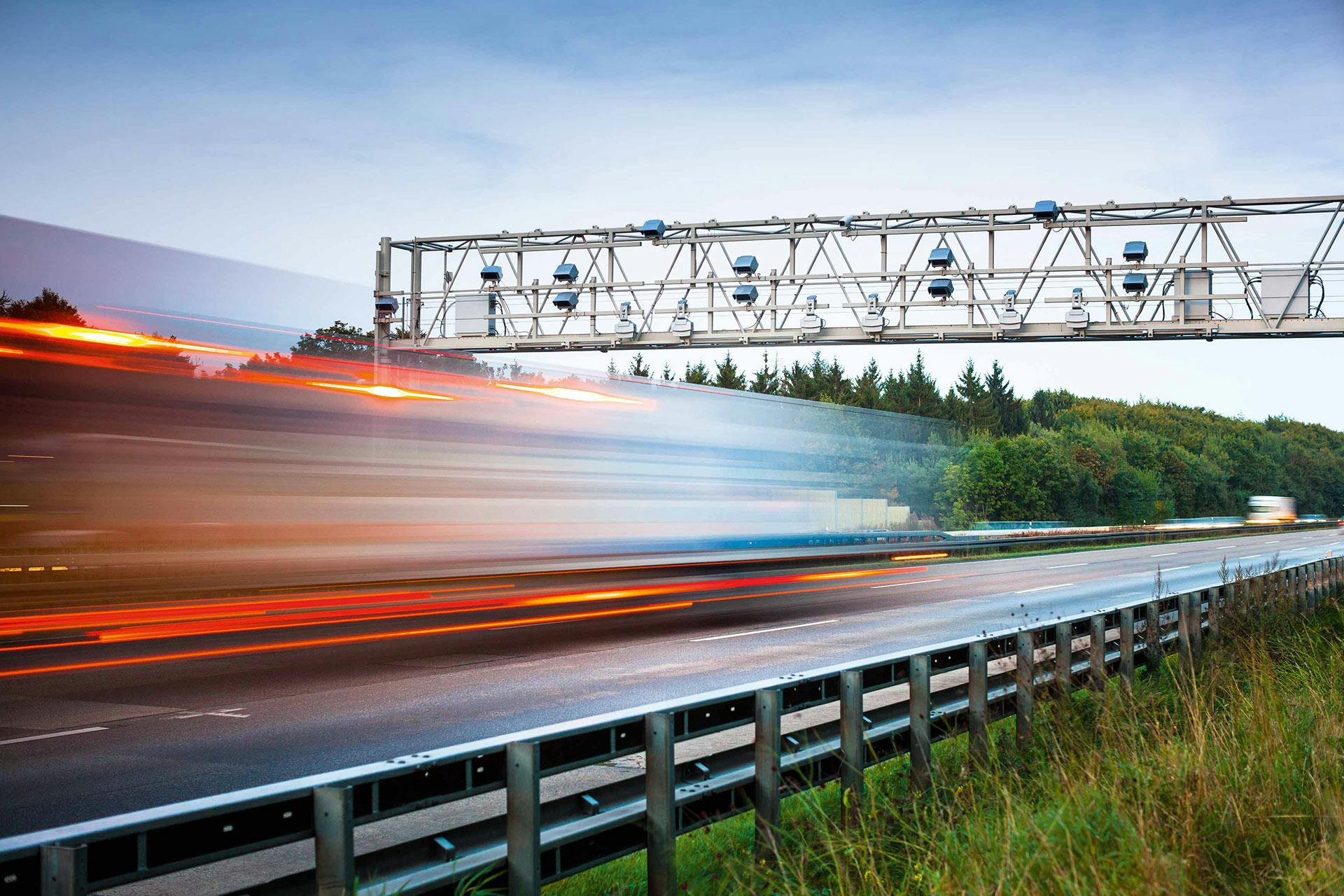
Traffic monitoring systems increase road safety: they measure excessive speeds, capture red light violations, and much more. This traffic data is used for traffic control in a general and anonymized form. Existing infrastructure elements can be enhanced and integrated into the system. The objective is a sustainable traffic management system to improve the quality of life in cities.
Menü
The future blog of the Machine Vision People
Smart MobilityWhere the Speed Camera Takes NO2 Readings
Research project in the Green Smart City Darmstadt
To what extent can existing traffic monitoring systems be used to investigate the interaction between traffic and environmental impact? A Darmstadt University research project provides important information for future urban planning.
The research project
Darmstadt has the highest levels of nitrogen dioxide pollution in Hessen according to the latest studies by the German Environment Agency. Road traffic is responsible for a large proportion of the nitrogen dioxide (NO2) in cities. Students at the Business Administration and Industrial Engineering faculty at Darmstadt University have set up a project to develop solutions for the city’s traffic problems.
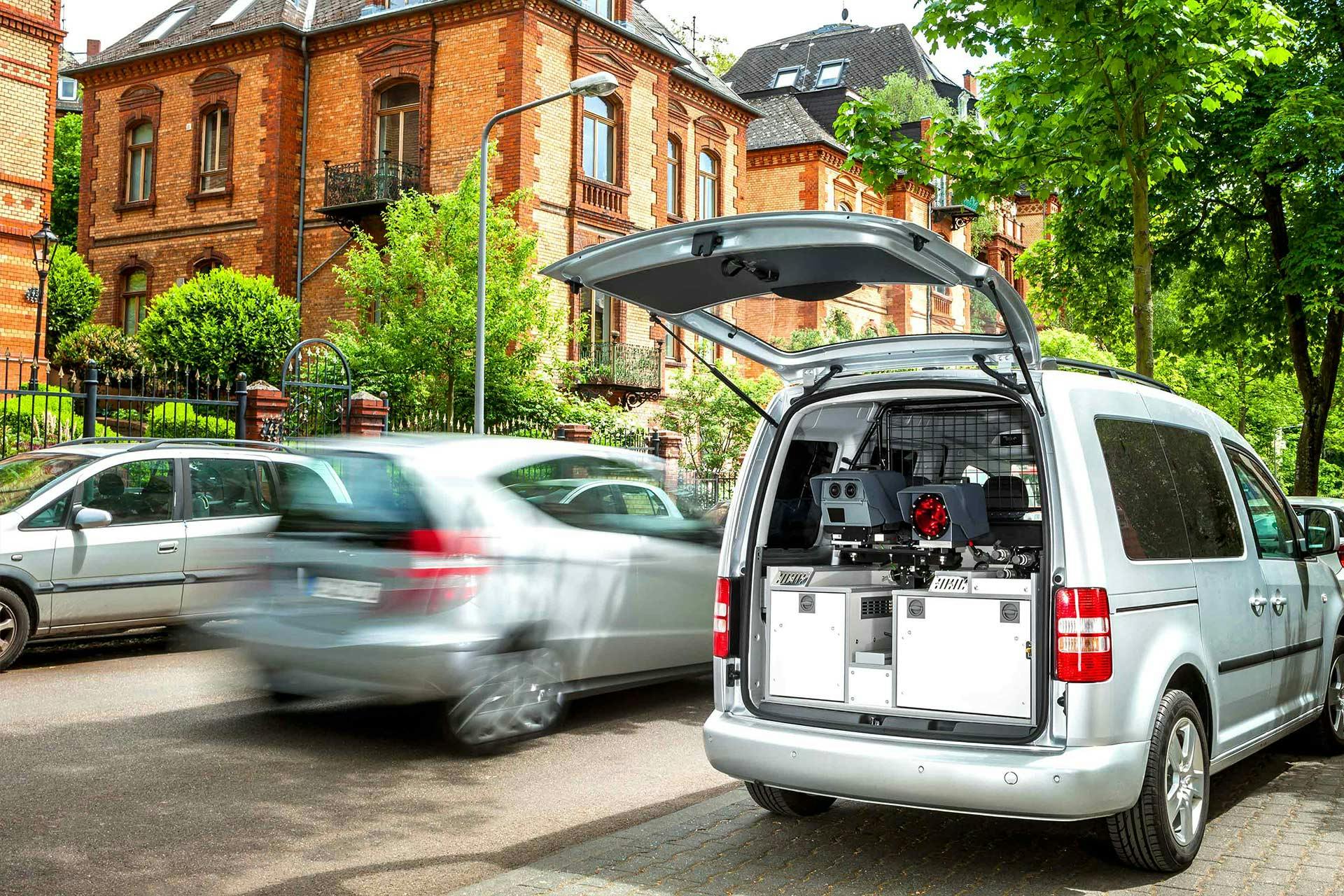
The aim of the research project was to investigate whether integrating additional sensors and interfaces into existing infrastructure elements could help us to understand the interaction between traffic and environmental impact. They intend to use their findings in later projects to develop emission reduction measures. VITRONIC supported the project over a long period of time. It involved existing fixed measuring units in the Darmstadt urban area, popularly known as “speed enforcement pillars”, as well as mobile measuring units to capture additional air pollutants such as nitrogen oxides.
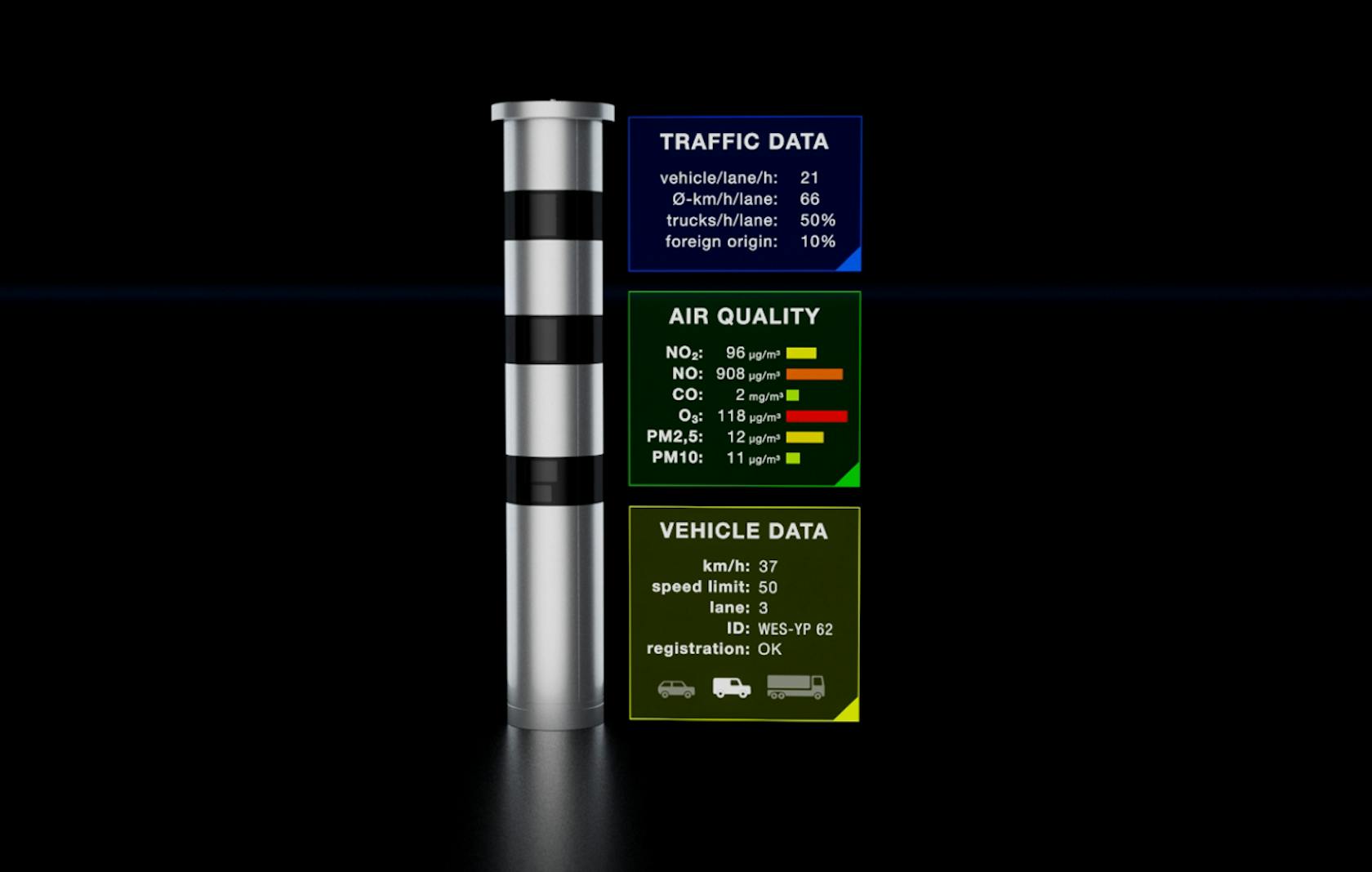
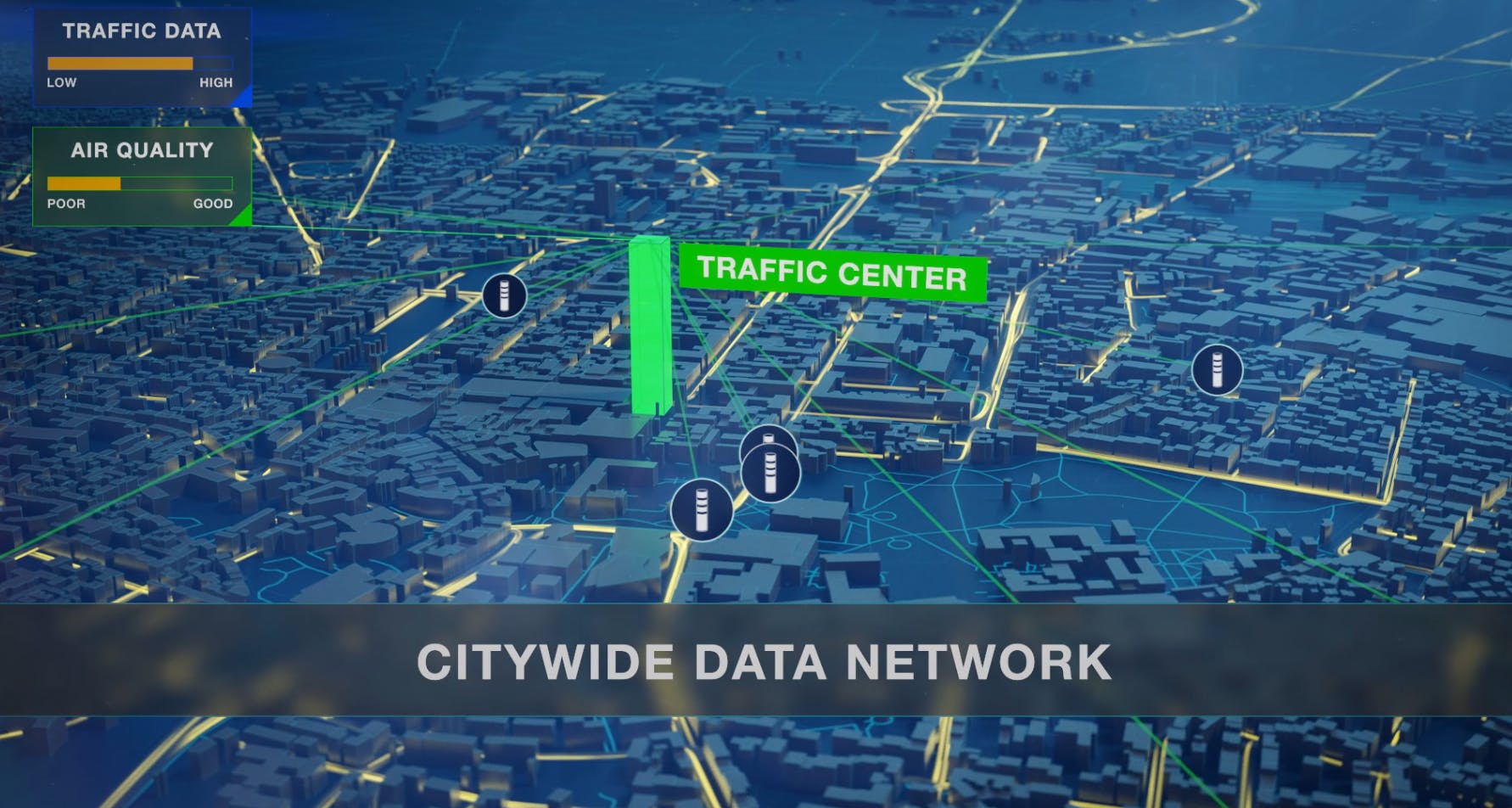
Traffic data, air quality and monitoring - all in one location.
Using the infrastructure
The data and findings can be used to create a sustainable transport management system that improves traffic flow in the urban area, reduces noise and air pollutants, and thus increases the quality of life.
The research project focused on the question of the potential that integrating additional interfaces and sensors to existing traffic monitoring solutions can offer. Can linking these systems and their data intelligently even help to achieve the UN’s Sustainable Development Goals (SDGs) by 2030? And the initiative is already adding tangible value: Since the infrastructure already exists in the urban landscape they can also be used, for example, as Wi-Fi hotspots. Important prerequisites to operate this infrastructure, such as a power supply, are already in place.
Darmstadt becomes a Green Smart City
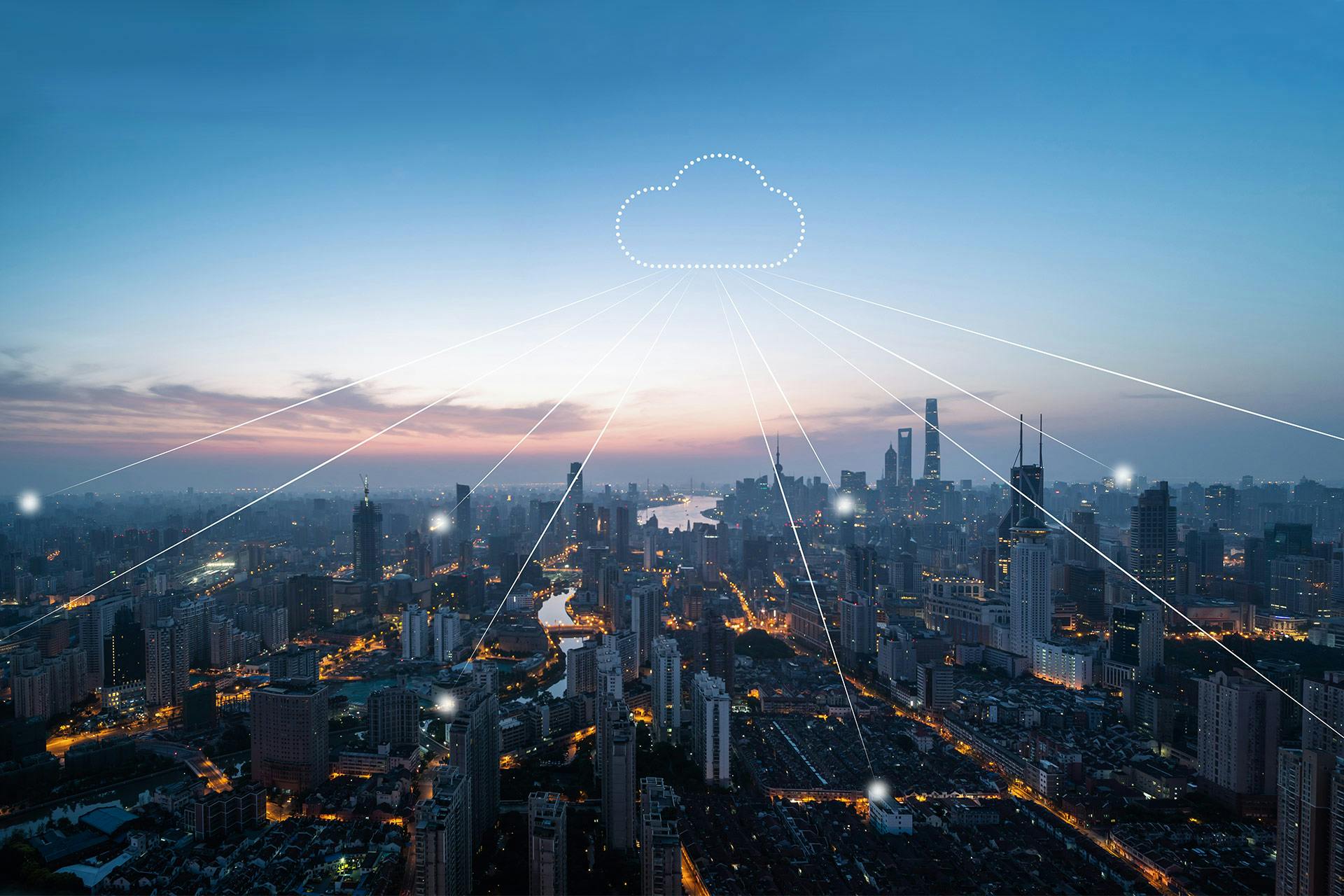
Darmstadt has been behind the Green Smart City project since 2016. The objective is intelligent networking of the city’s infrastructure to allow information and communications technology to improve energy efficiency and resource efficiency as well as quality of life. The Darmstadt researchers are focusing on the increasing importance of sustainability and responsible handling of resources such as energy, water and protection of the earth’s atmosphere.
Smart Environment Cluster
Many activities around the Smart City or the Smart Environment Cluster are based on the 17 Sustainable Development Goals (SDGs) of the UN member states. The SDGs were created to promote sustainable developments in economic, social, and ecological areas by 2030. The goals include
- a resource-optimized organization of urban infrastructure systems
- sustainable mobility and logistics concepts
- the integration of existing infrastructure elements in the public sphere into digital, technical solutions
- new sustainable business models for the operation of intelligent infrastructures
It's one of the biggest questions of our time: How can we implement a sustainable transport management system? We need solutions to improve traffic flow in the urban area, reduce noise and air pollutants, and thus increase the quality of life.
Summary
In short
- Darmstadt University research project: “A sustainable transport management system”
- VITRONIC provides support in the form of technology and know-how
- Fixed and mobile measuring units capture environmental data and traffic flow
- Vision: resource-optimized infrastructure and sustainable mobility concept